

 Europe
  Türkiye
  United Kingdom
  Global






 Login with my Xometry account



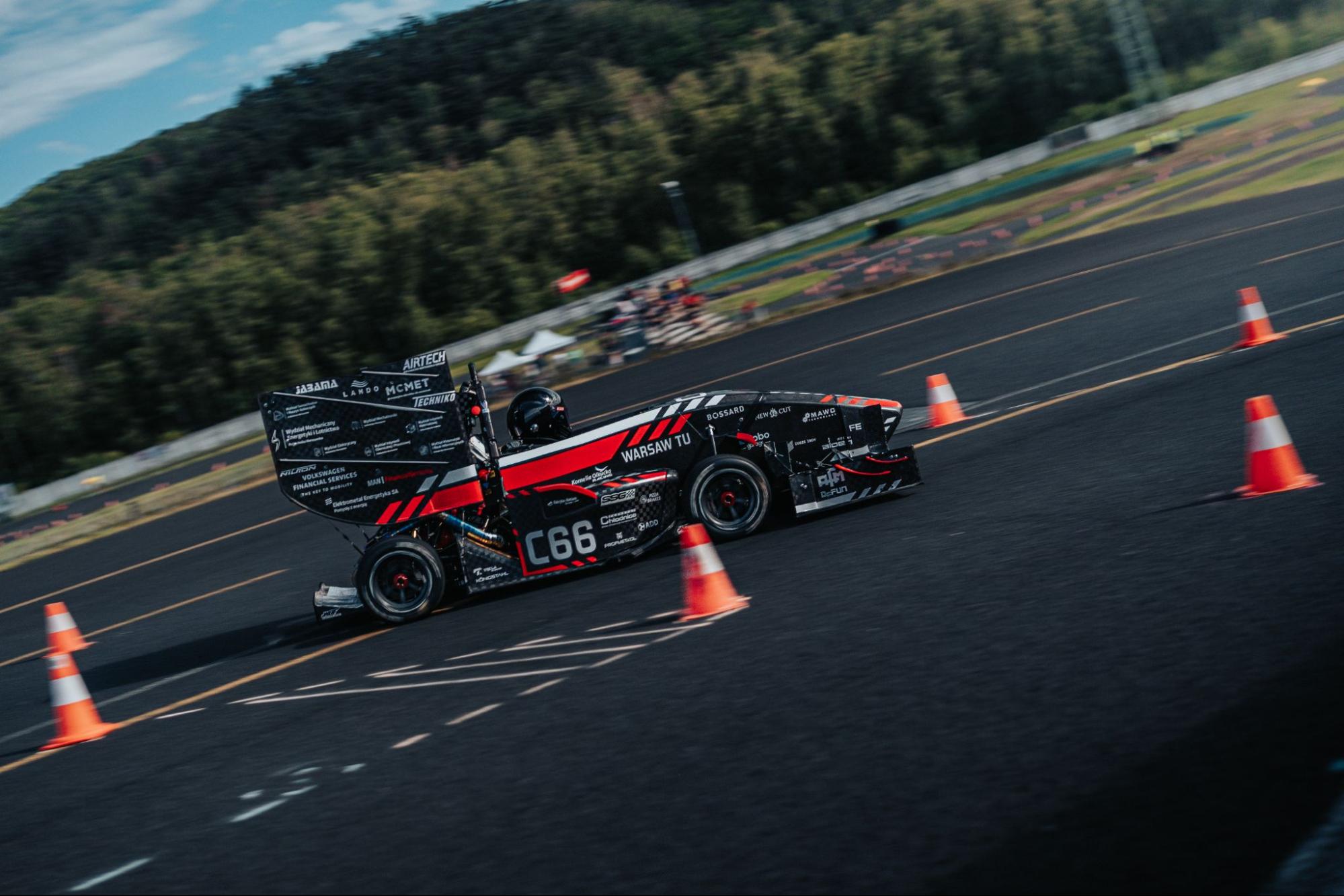
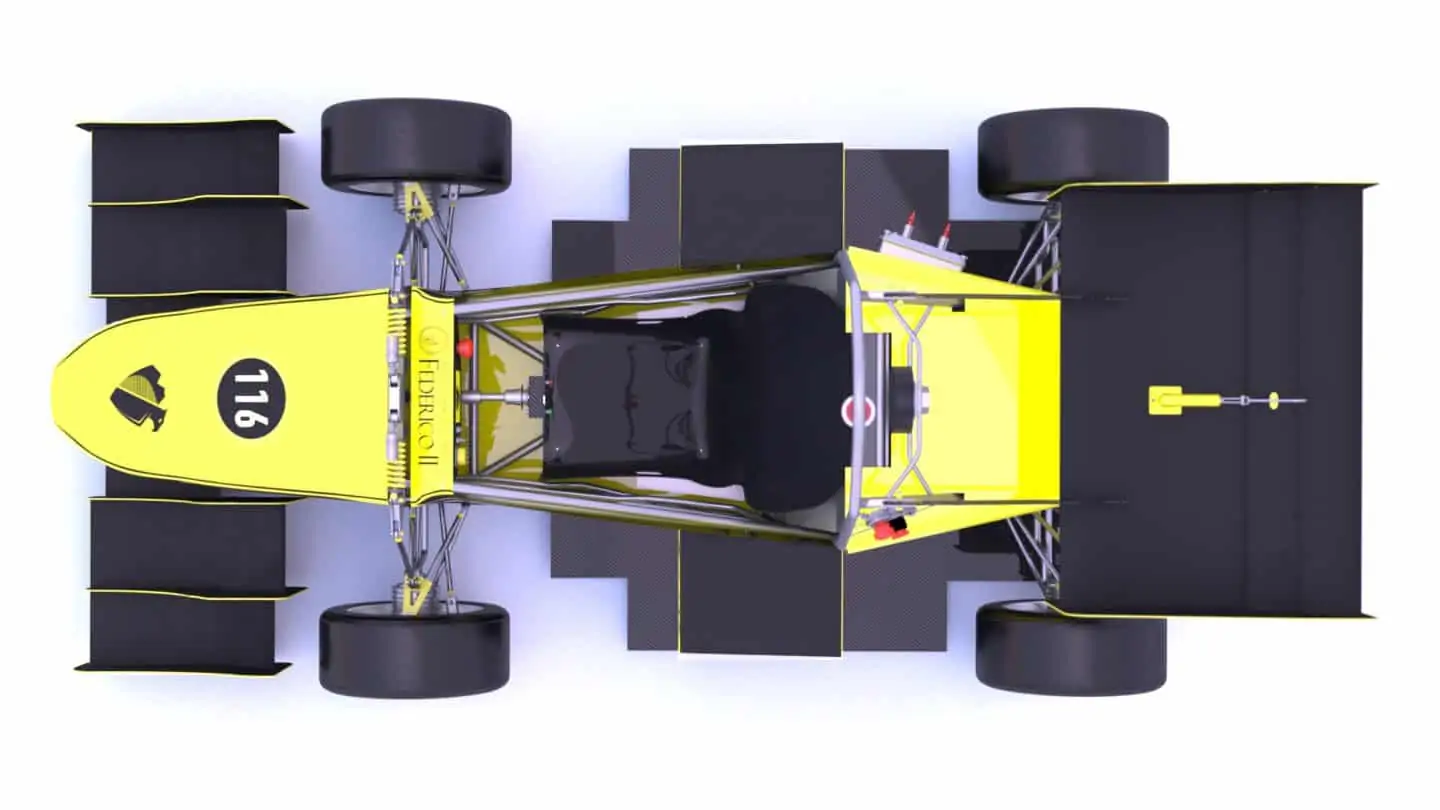
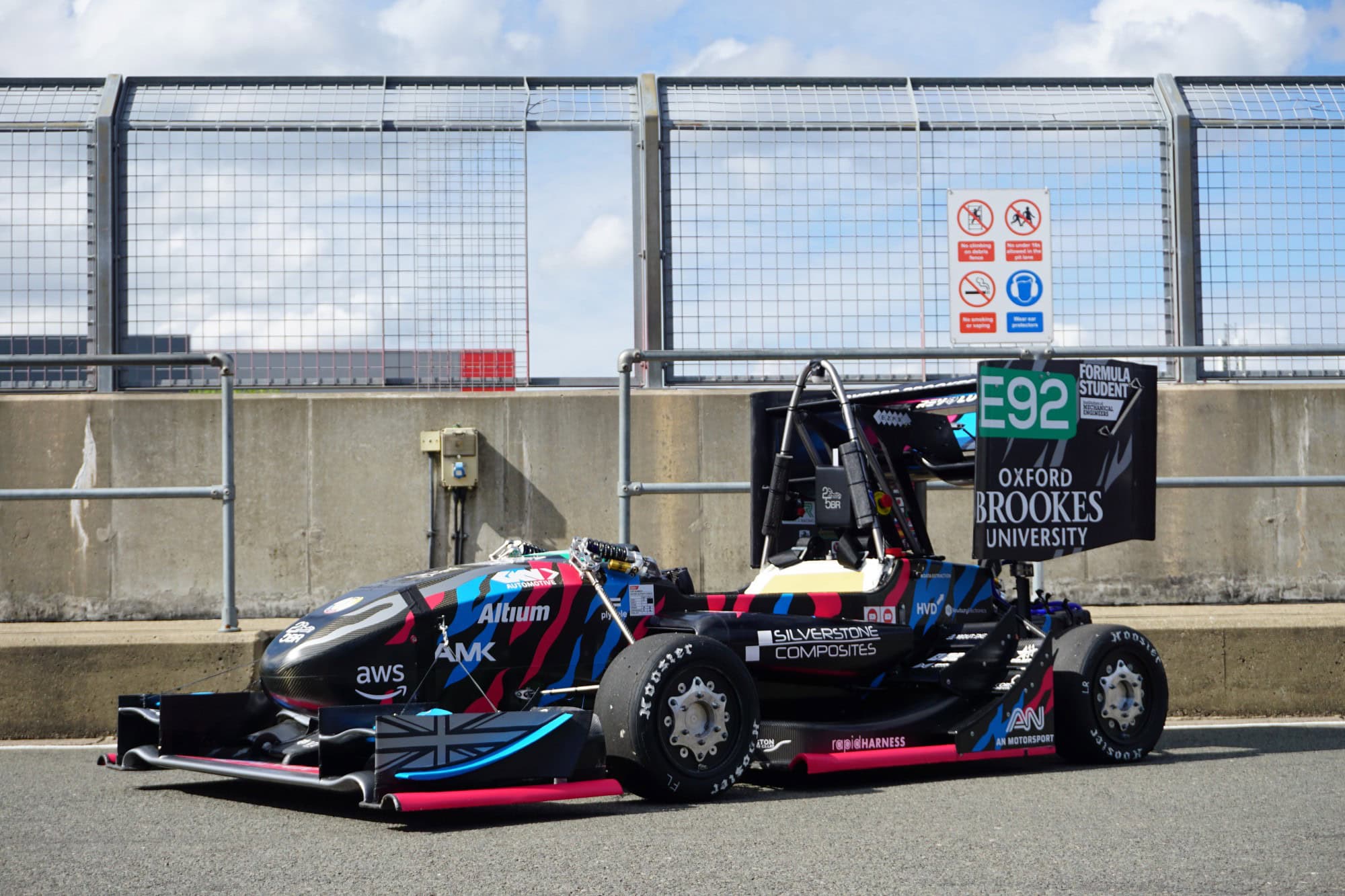
Hi, we are WUT Racing, the official Formula Student team of the Warsaw University of Technology. Founded in 2011, our team brings together ambitious students from various universities and technical fields across Warsaw to design, build, and race high-performance open-wheel prototype race cars for the prestigious Formula Student events across Europe, including in Poland, the Czech Republic, and Austria, as well as in competitions organized by SAE International.
Following a successful 2025 season, where our previous car, the WUT-6, achieved podium finishes in both the autocross and engineering design categories, we turned our focus to developing the WUT-7.
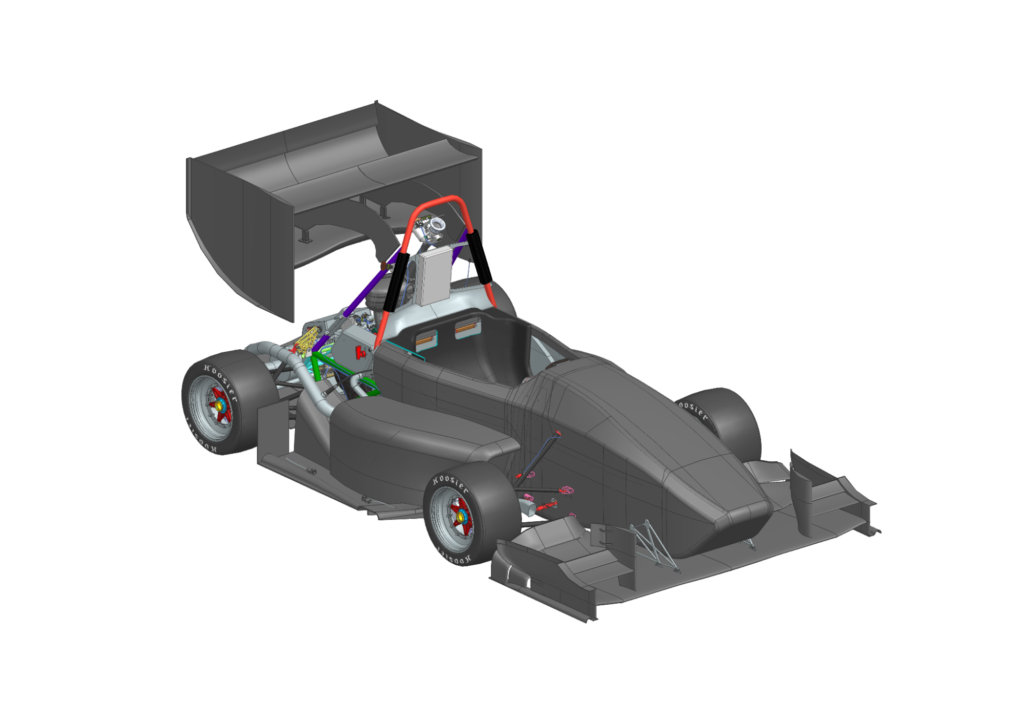
When designing the WUT-7, we refused to settle for incremental improvements. Driven by engineering ambition and rigorous data analysis, we focused on uncompromising weight optimization and a fundamental overhaul of our vehicle dynamics.
Rethinking Suspension and Kinematics
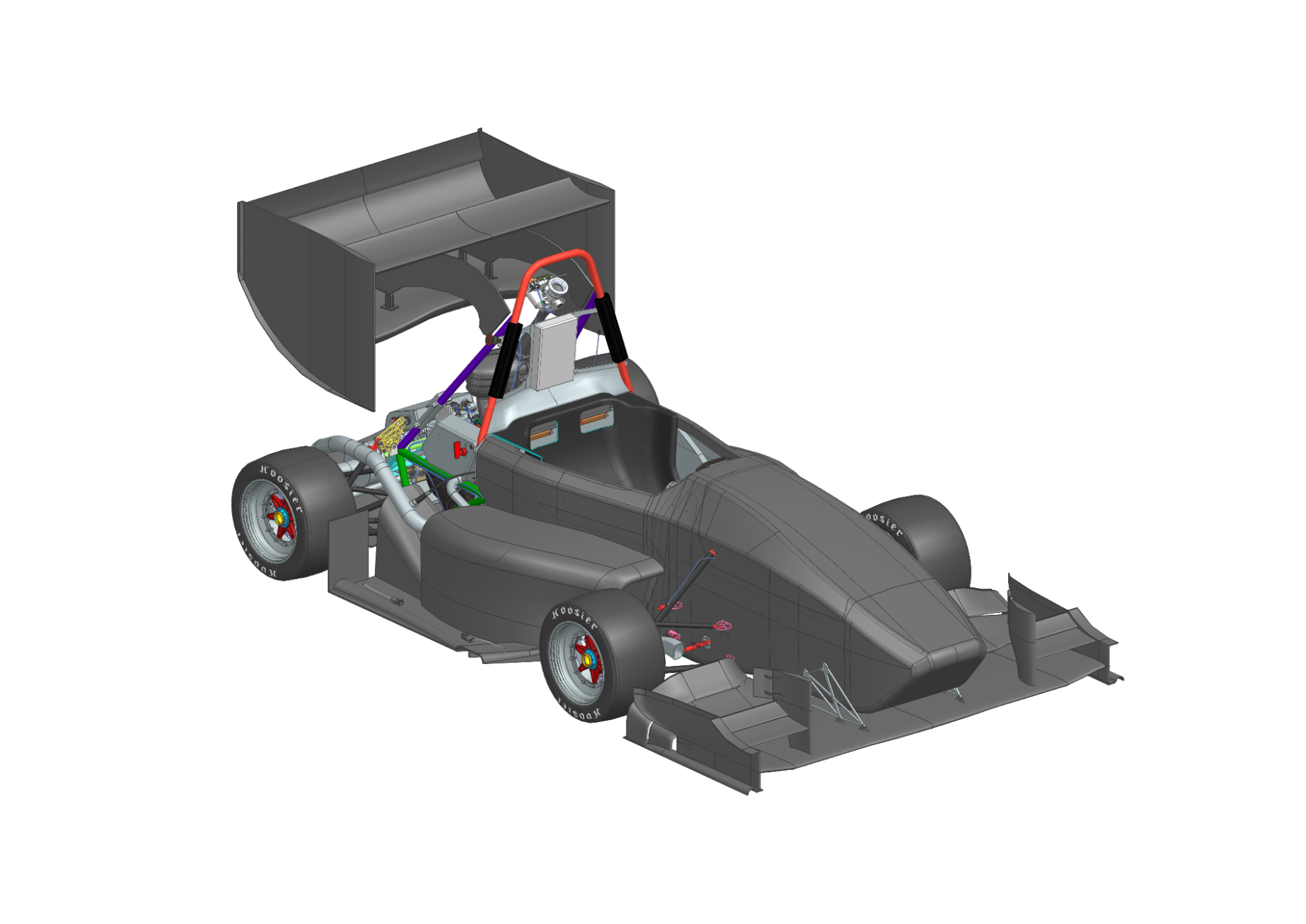
Our journey started with integrating new simulation software, OptimumG. Once we thoroughly validated its computational models, we completely redesigned our kinematics. We extended our carbon fiber suspension tubes to ensure the wheel travels through a larger, smoother arc of motion while completely re-engineering our dampening system.
In previous years, we used a shoulder screw covered in grease, meaning suspension friction depended entirely on bolt torque. For the WUT-7, we engineered a precision bearing setup into the rocker to standardize movement and eliminate unpredictable friction.
Uncompromising Lightweighting
To reduce unsprung mass, we utilized advanced topology optimization extensively. However, this year we pivoted away from metal 3D printing. Instead, we took on the challenge of adapting nature-inspired, force-optimized geometries so they could be manufactured using precision CNC machining.
By adopting carefully calculated safety factors and re-evaluating our bearing wear assumptions based on exact load data, we designed new uprights and wheel hubs that weigh more than 50% less than last year’s iterations.
A Completely New Steering System
Our previous steering setups relied on cardan joints or off-the-shelf bevel gears, which generated too much play and suffered from rapid wear due to high operating angles. This year, we designed a custom steering bevel gear system from scratch.
To ensure the gears mesh perfectly regardless of chassis tolerances, the steering position is finely adjustable using kidney slots and specific washers. Combined with meticulously calculated carbon fiber tie rods, we eliminated steering play almost entirely, delivering significantly improved driver feedback.
Bringing the Design to Life
Designing radical, lightweight parts in CAD software is one thing; manufacturing them to survive the brutal cyclic fatigue of a race track is another.
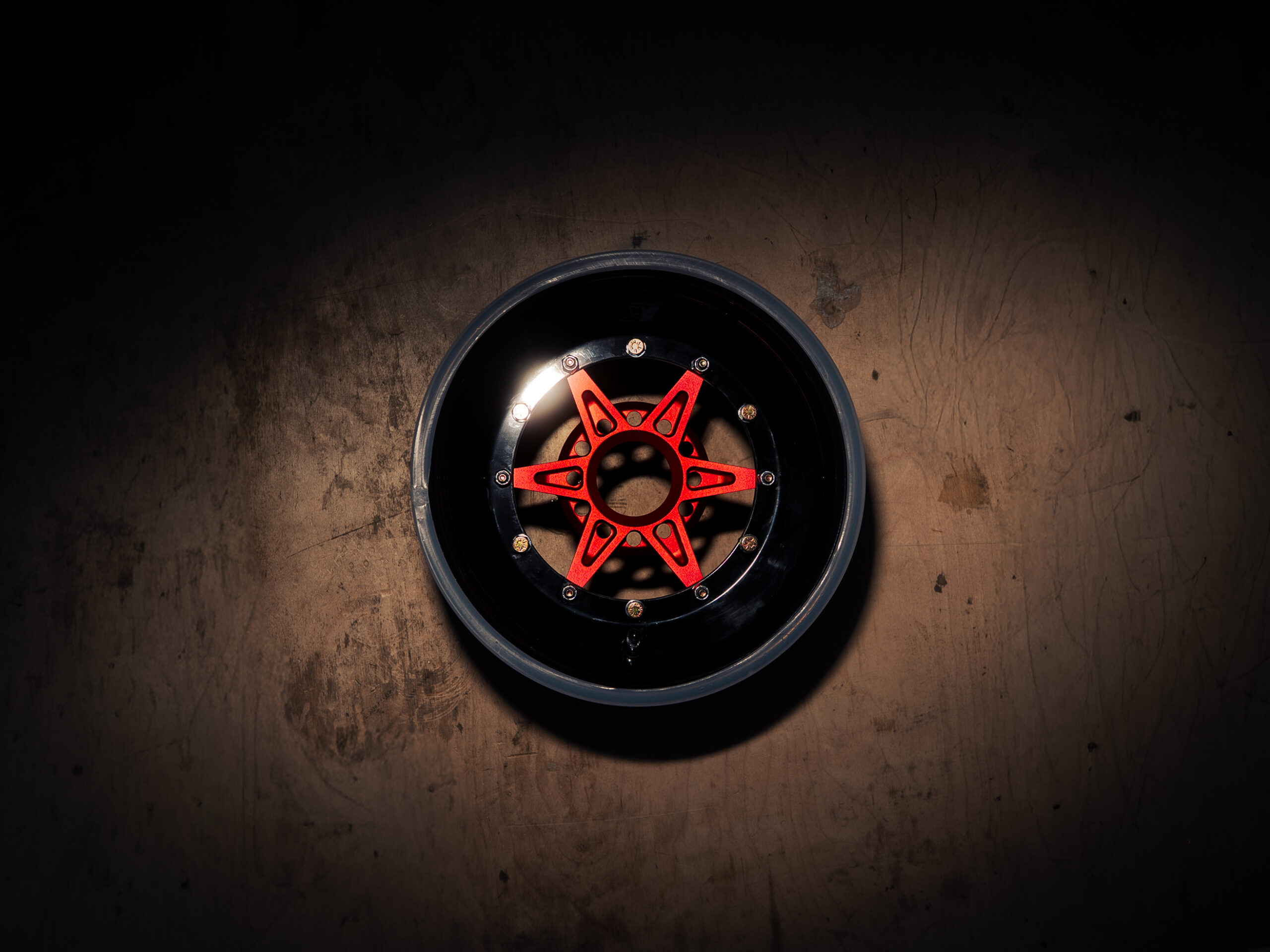
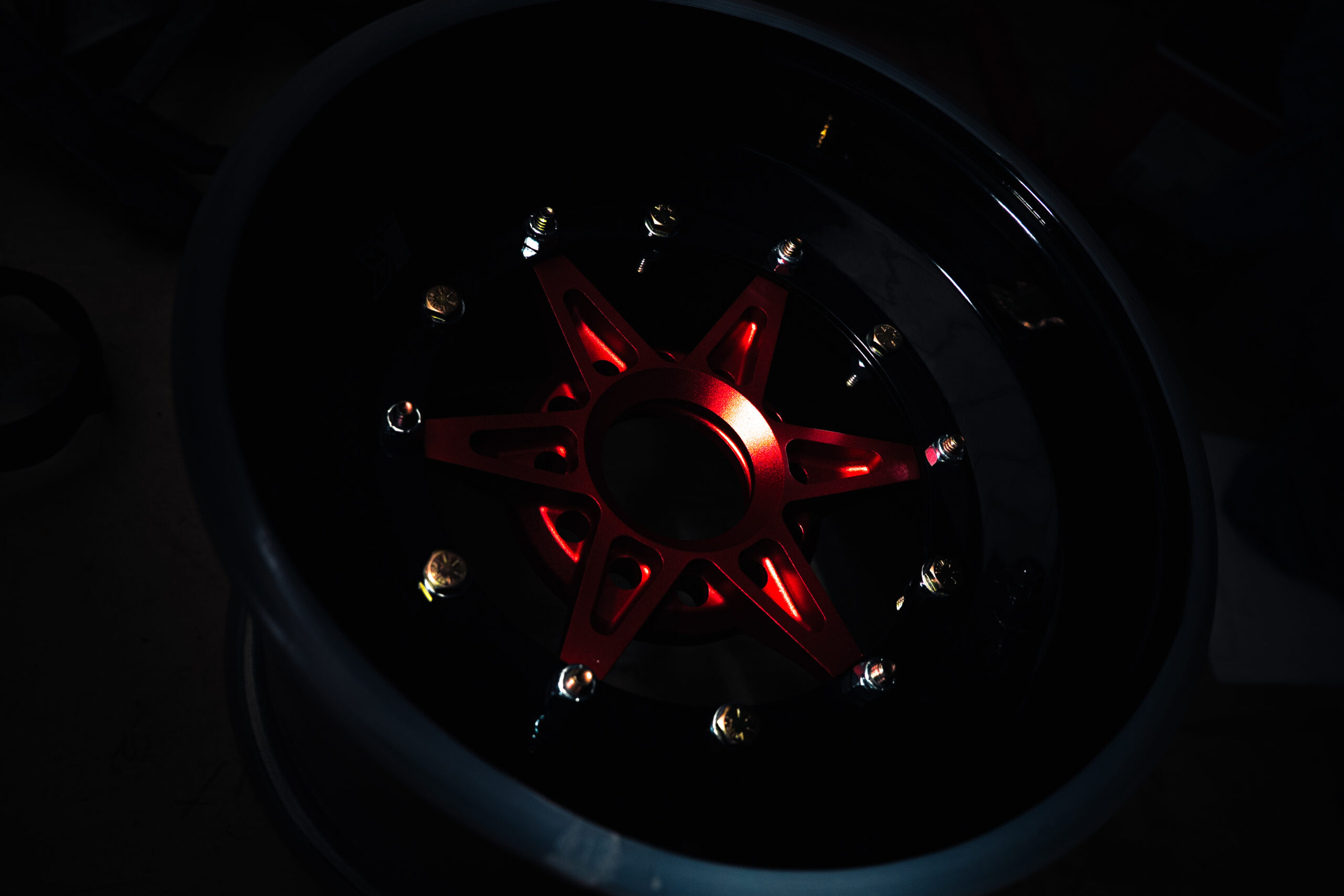
A major highlight of the WUT-7 is our custom carbon fiber rims. Based on the Kaizer Rim design, the new rim is 0.5 inches wider, allowing us to run a larger tire and significantly increase mechanical grip. The challenge was calculating the carbon layup precisely so the rim would not flex under heavy cornering G-forces without adding unnecessary weight.
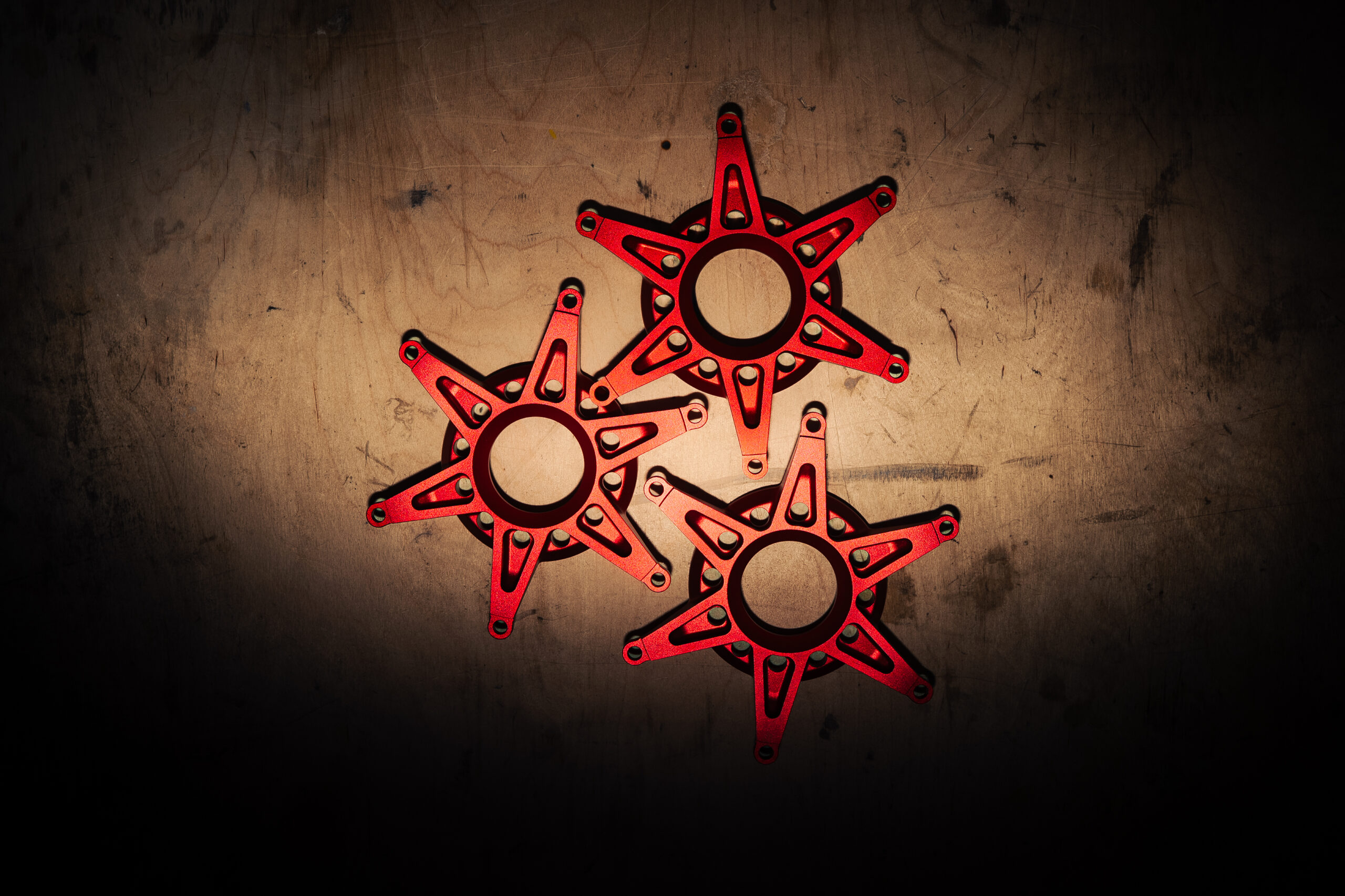
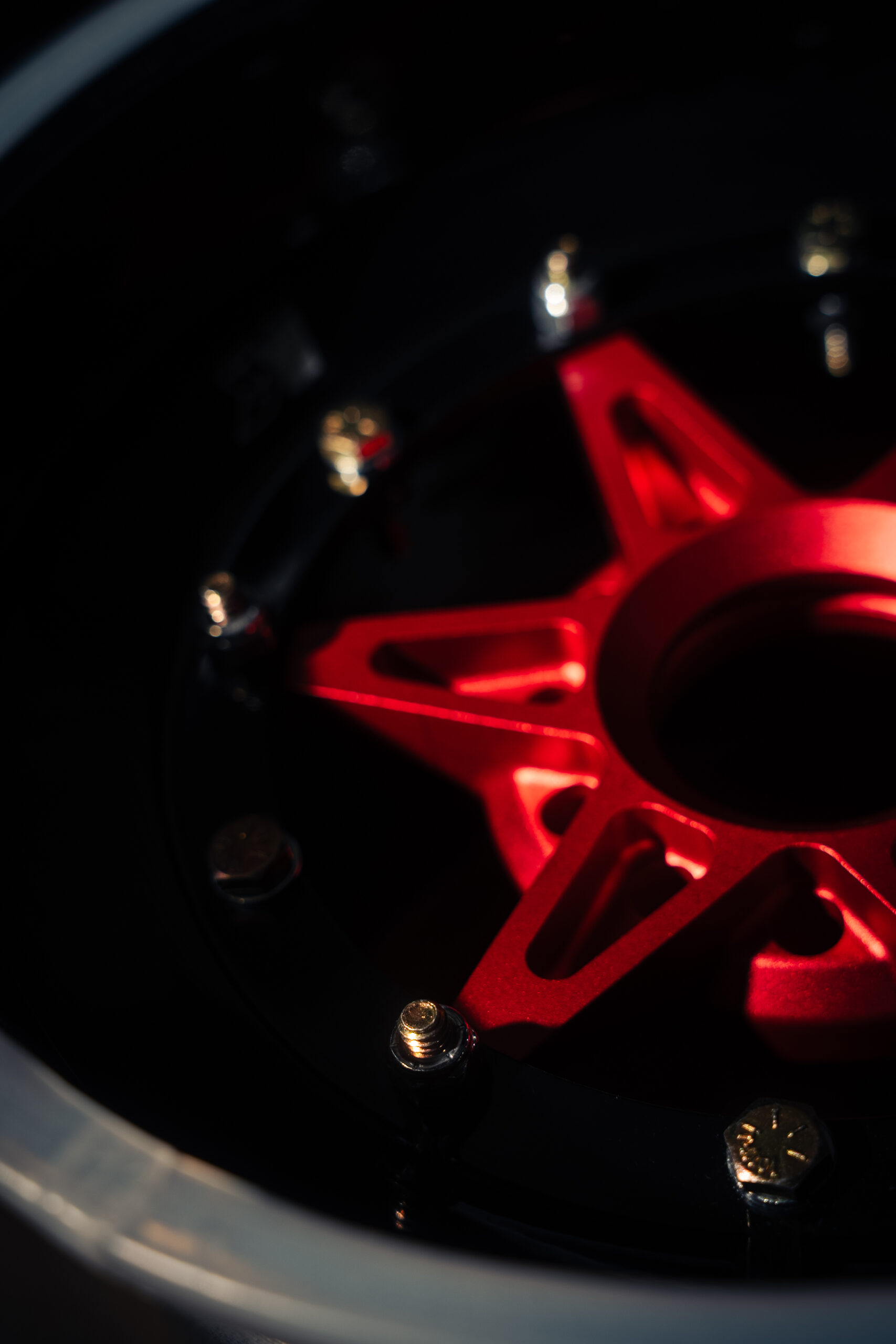
To connect these wider carbon rims to our lightweight CNC-machined uprights, we needed flawlessly machined rim adapters. These critical load-bearing components were manufactured by Xometry with the precision required to transfer high torque and lateral loads without adding unnecessary unsprung mass.
Our new suspension geometry also allowed us to drastically reduce the size of the aluminum inserts bonded into our carbon fiber suspension tubes. Because these inserts are smaller, manufacturing tolerances had to be impeccable to guarantee the structural integrity of the suspension throughout the season. These components were delivered with the exact surface finish and dimensional accuracy, giving us the confidence to execute our most ambitious engineering designs.
The Road Ahead and Key Takeaways
Our team is currently developing the WUT-7, which includes designing a new monocoque and steel space frame while building on the lessons learned from the WUT-6. A major focus will be further optimization of vehicle dynamics and telemetry systems to improve overall performance and reliability.
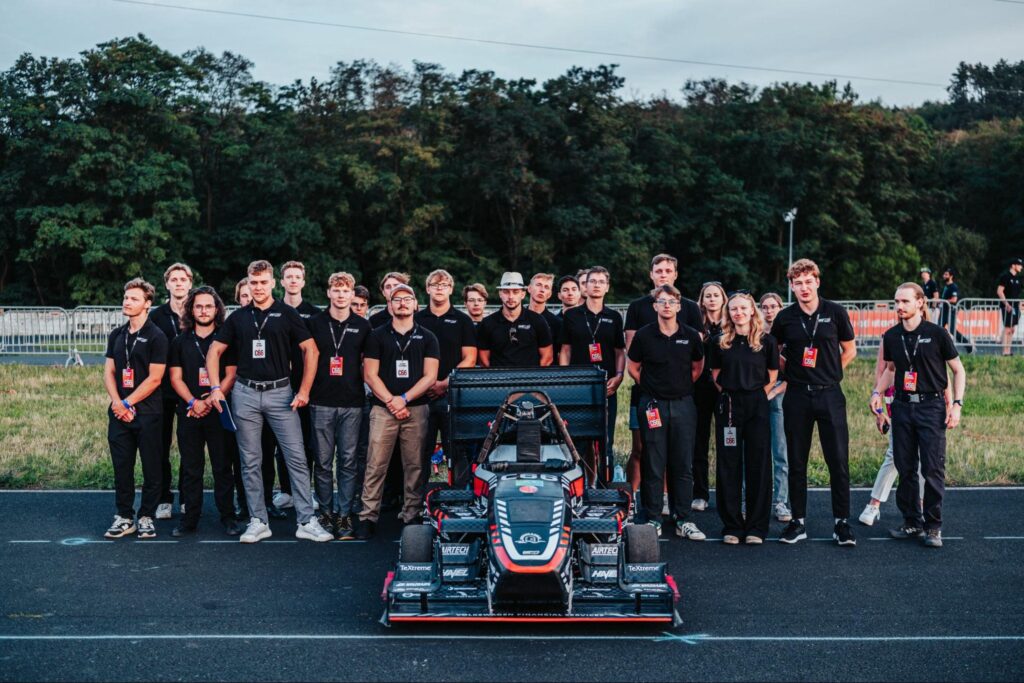
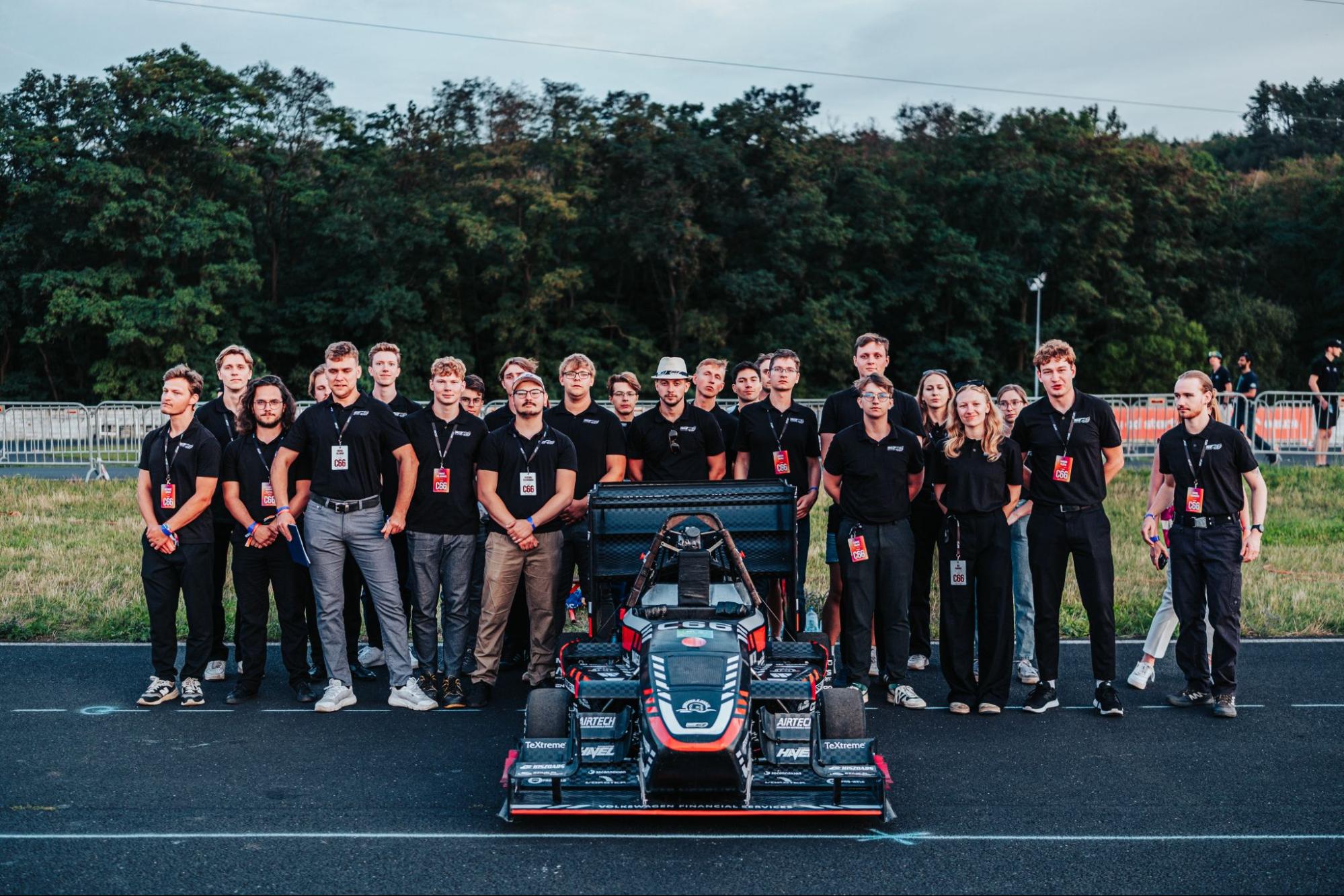
We also face an intense 2026 competition schedule with Formula Student Czech, Austria, and Poland, requiring careful preparation and logistics. Securing sufficient sponsorships and funding remains an ongoing challenge as we support the costs of design, manufacturing, and international competition. At the same time, integrating new team members, maintaining high engineering standards, and pushing for podium finishes across both static and dynamic events will continue to test our engineering and project management capabilities.
One of the team’s key takeaways is to trust engineering calculations while verifying the manufacturing process. It is easy to design a mathematically perfect, ultra-lightweight part in CAD, but if it cannot be precisely machined, it remains just a concept. WUT Racing’s advice for teams facing similar challenges is to take full advantage of topology optimization and kinematics while always designing with real-world CNC capabilities in mind.
Share Your Engineering or Product Design Story

Share Your Story!
Share your engineering and product design journey and get a €300 reward! Showcase your innovative solutions and best practices with our community.
Share Your Engineering or Product Design Story
- We’re looking for stories about innovative mechanical engineering solutions, the design and development of mechanical components, or the creation of cutting-edge hardware products.
- Our team will assist you in preparing your story and translating it into several languages.
- Plus, you’ll receive a reward of 150 EUR to be redeemed with Xometry after your story is published*.
Related Topics
 1
1
 Contact VED
2
Contact VED
2




Comment(0)