

 Europe
  Türkiye
  United Kingdom
  Global







 Login with my Xometry account


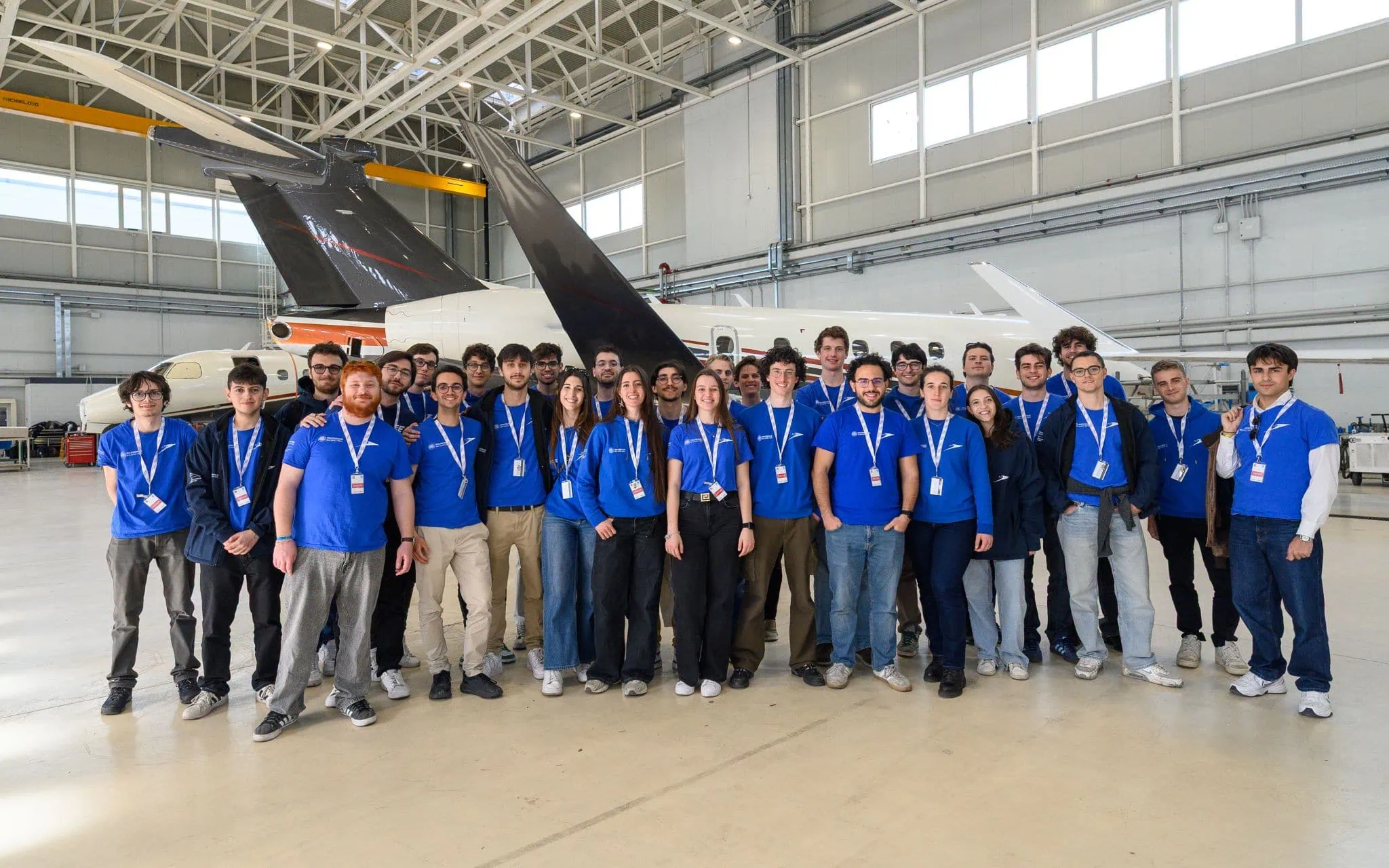
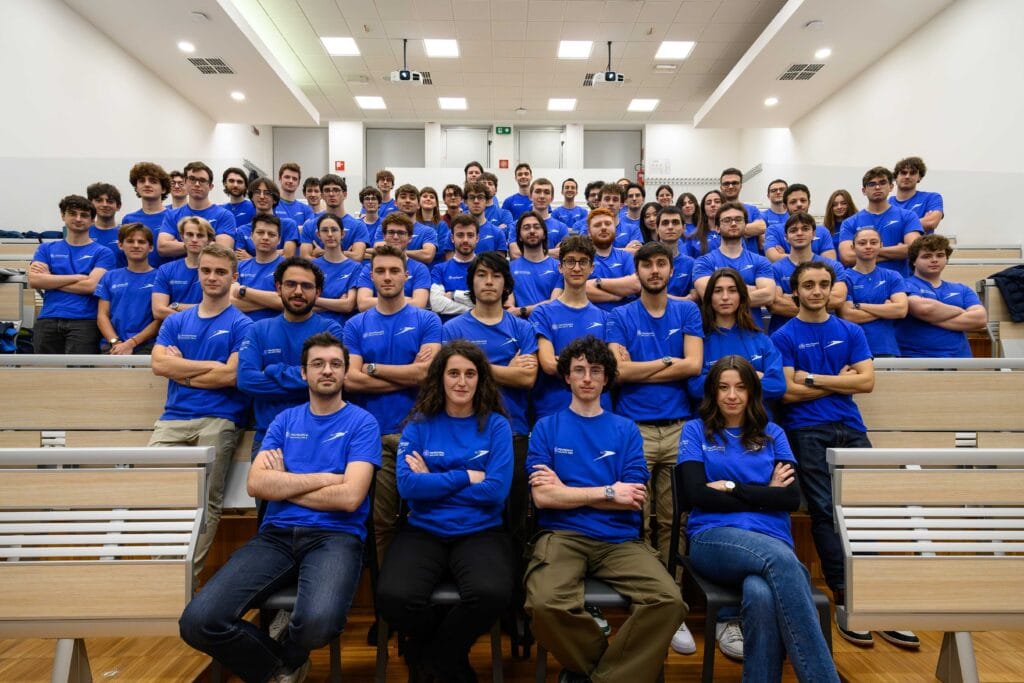
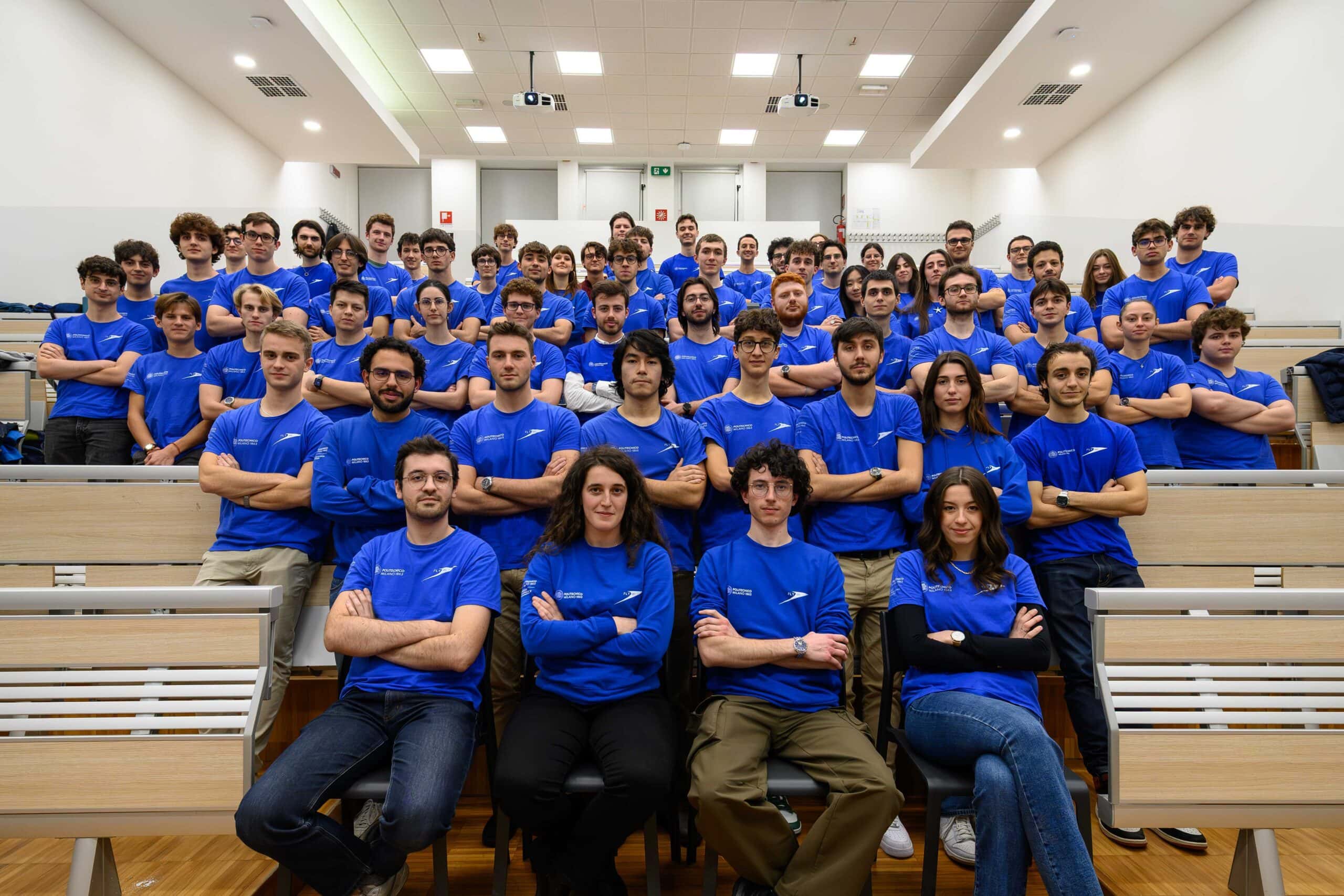
Hi, we are Fly-Mi – EUROAVIA Milano, a student engineering team from the Politecnico di Milano, affiliated with the Department of Aerospace Science and Technology. Founded in 2022, we set out with a clear goal: to complement our academic studies with hands-on engineering experience by designing, developing, and producing unmanned aerial vehicles (UAVs) and advanced aeronautical systems.
Over the years, we have grown into a competitive team on the international stage, taking part in university UAV competitions and working across the full lifecycle of an aeronautical project, from conceptual design to manufacturing and flight testing. In 2025, we reached an important milestone by placing third at the UAS Challenge in the UK with OLIVIA, an autonomous drone designed for humanitarian missions.
For the 2026 season, we decided to take on a new challenge: the Air Cargo Challenge (ACC), one of the most complex and prestigious international competitions in aeromodelling. This competition requires the design and construction of a radio-controlled cargo aircraft, pushing us to rethink both our design and manufacturing approach.
The Heméra Project Framework
Our design process is organized across four technical areas: Aerodynamics works on optimizing the external geometry to meet mission requirements, while Structures is responsible for the aircraft architecture and material selection. Flight Mechanics defines the main dimensions and ensures stability, and Electronics, Propulsion, and Control (EPC) handles system integration and the propulsion setup. Alongside these, our Business, Marketing, and Communication team manages partner relationships and oversees the team’s public presence.
All departments worked collaboratively throughout the year to develop the Heméra project, integrating aerodynamics, structures, flight mechanics, and electronics into a unified design. The Heméra aircraft is a fixed-wing UAV developed for the Air Cargo Challenge 2026, designed to maximize payload transport efficiency while maintaining high aerodynamic performance. It features a conventional low-wing configuration with retractable landing gear to reduce drag, and a twin wing-mounted motor setup to improve thrust efficiency and structural load distribution.
The design emphasizes drag minimization at low angles of attack, structural efficiency through a carbon-fiber composite monocoque architecture, and overall system reliability with redundant avionics. Aerodynamic optimization (via CFD and XFLR5), structural validation (FEM), and iterative multidisciplinary design led to a configuration capable of carrying up to 6 payload units at speeds of around 35 m/s, achieving a strong balance between payload capacity and flight performance.
From Design to Mold Manufacturing
Once the final configuration of the aircraft was defined, we moved on to designing and manufacturing the molds needed to produce the components.
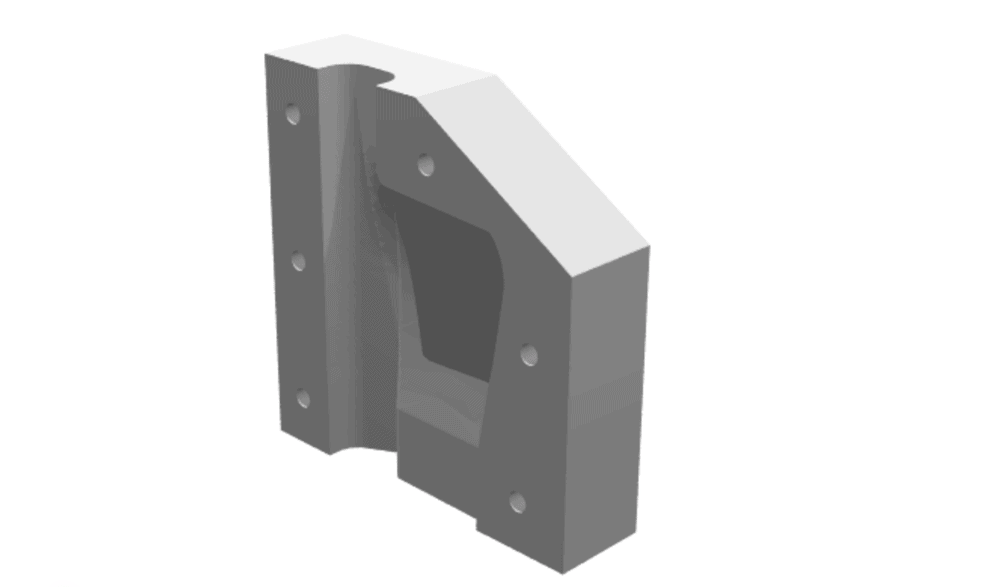
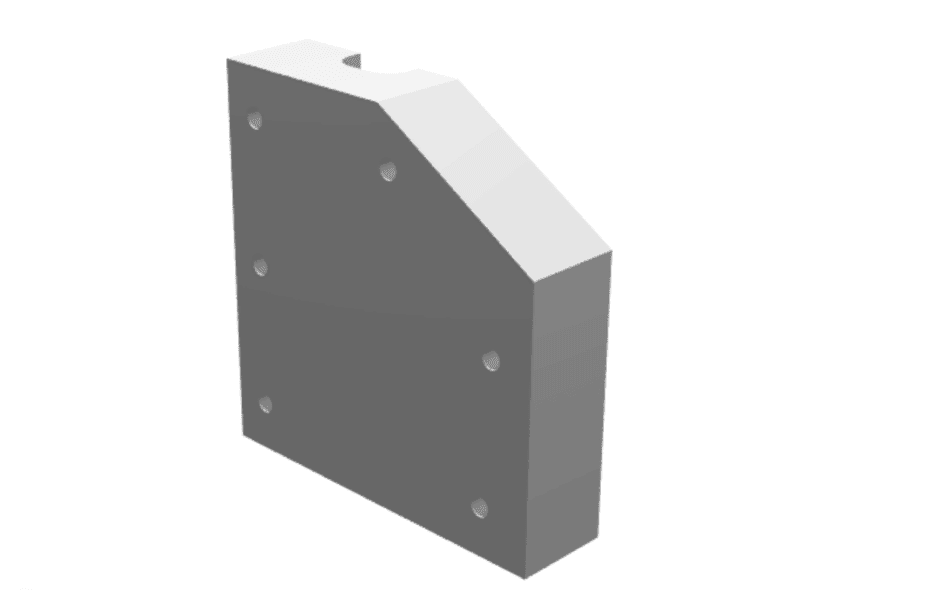
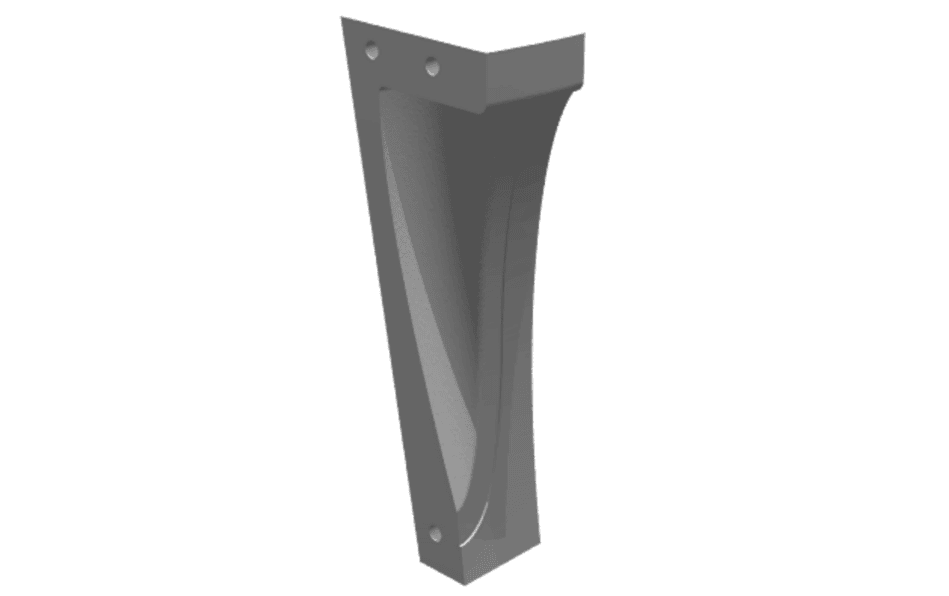
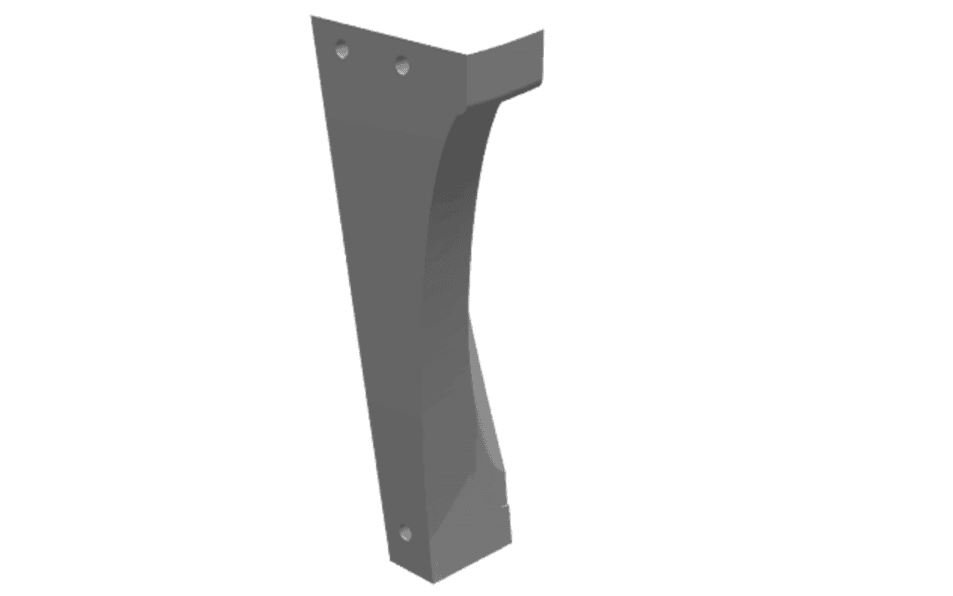
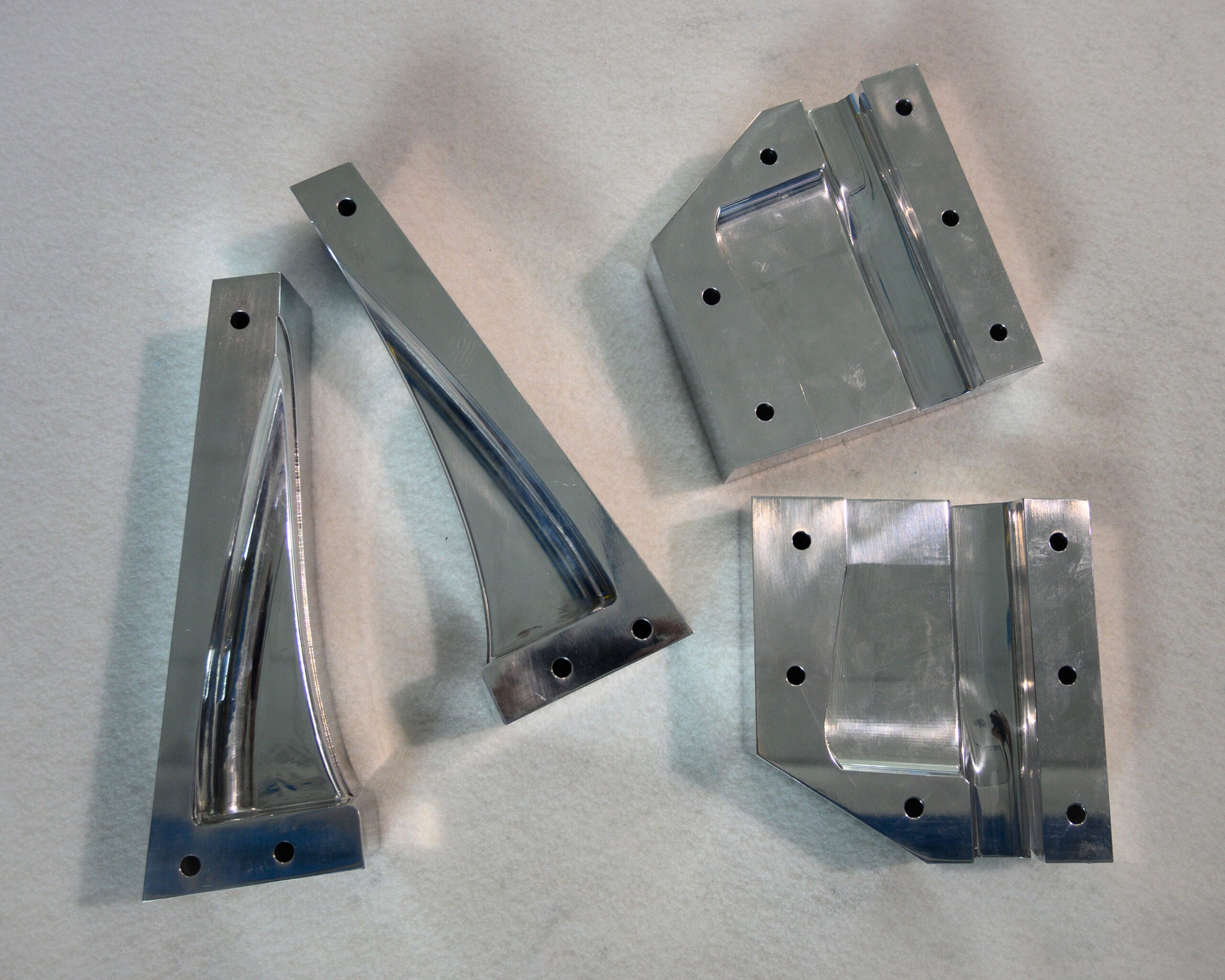
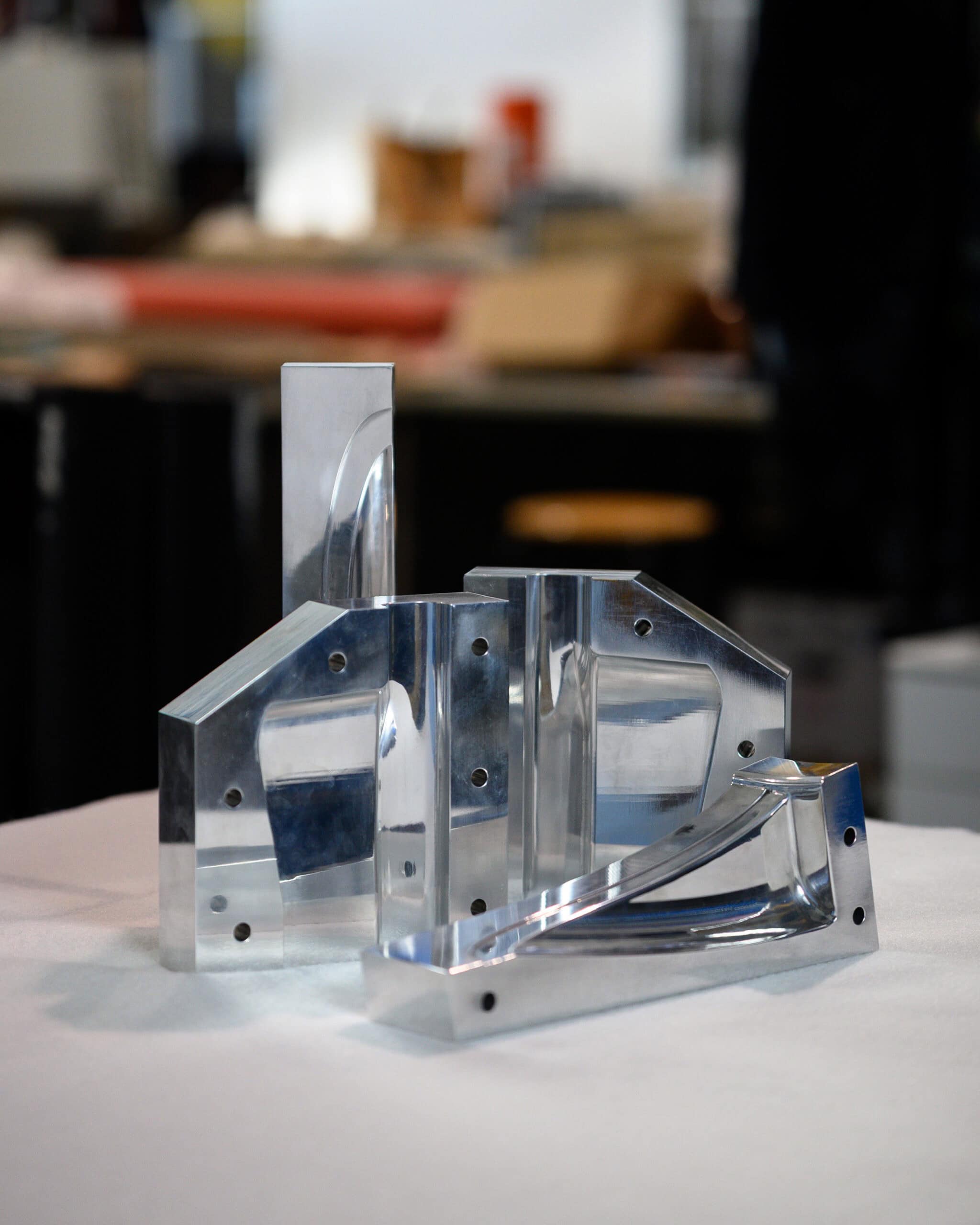
With the support of partners like Xometry, we produced high-precision molds that accurately replicate the geometry of our designs. We then carry out the lamination of composite materials ourselves.
From a structural perspective, our aircraft is designed with a strong focus on reducing mass while maintaining sufficient strength. Most structural components are made from composite materials, particularly carbon fiber laminates and sandwich structures with Rohacell or honeycomb cores. This allows us to achieve a lightweight yet rigid structure—essential for maximizing payload capacity while maintaining strong flight performance.
Material Selection for Mold Performance
One of the main challenges we faced this year was selecting the right material for the molds. They needed to withstand demanding autoclave conditions, with pressures of around 2 bar and temperatures up to 120°C. Choosing the wrong material would have compromised the entire production process.
With the support of Xometry’s technical team, we identified Aluminium 6082 (3.2315 / Al-Si1Mg) as the most suitable material. It offers a good balance of strength and weight, along with excellent machinability, which is essential for achieving the required precision in mold geometry. In addition, its thermal stability and corrosion resistance make it well suited for repeated autoclave cycles without significant deformation.
This choice translated directly into the manufacturing phase, where the selected solution proved to be highly effective and the produced components met all our design and production requirements with excellent quality.
Parts were ordered through the Xometry platform, where we manufactured critical components for our production setup using CNC milling. In particular, we produced aluminium molds made from Aluminium 6082 (3.2315 / Al-Si1Mg), including the Hub mold and Motor mount mold, designed for carbon fiber lamination. These required a surface roughness of Ra 0.8 on the inner mold surfaces, where the lamination takes place, while standard finishing was sufficient on the outer and non-functional areas. This level of control over geometry and surface quality was essential to ensure consistent composite layup and the overall performance of the final structural components.
What’s Next for Fly-Mi Team
The next steps for the aircraft project are focused on completing the production and assembly of multiple airframes, followed by an extensive flight testing campaign. This will begin with subsystem validation and performance assessment, and then move to pilot training and flight profile optimization to maximize competition scoring. Additional aerodynamic refinements, such as winglets and further CFD analyses, are also planned to enhance performance and expand the flight envelope.
In the short term, our main focus is the upcoming Air Cargo Challenge. It is one of the most important competitions in Europe and internationally, and we aim to replicate and improve our previous results.
Looking further ahead, we want to continue growing both technically and organizationally. We plan to take part in new international competitions, constantly challenging ourselves and improving our design and production capabilities.
Another key priority is expanding our network of industry partners. Collaborations with companies across aerospace and other technological sectors are fundamental for building a strong bridge between the university and industrial worlds.
Share Your Engineering or Product Design Story

Share Your Story!
Share your engineering and product design journey and get a €300 reward! Showcase your innovative solutions and best practices with our community.
Share Your Engineering or Product Design Story
- We’re looking for stories about innovative mechanical engineering solutions, the design and development of mechanical components, or the creation of cutting-edge hardware products.
- Our team will assist you in preparing your story and translating it into several languages.
- Plus, you’ll receive a reward of 300 EUR to be redeemed with Xometry after your story is published*.
Related Topics
 Contact VED
 2
2
 Javier López Picazo
2
Javier López Picazo
2





Comment(0)