

 Europe
  Türkiye
  United Kingdom
  Global








 Login with my Xometry account




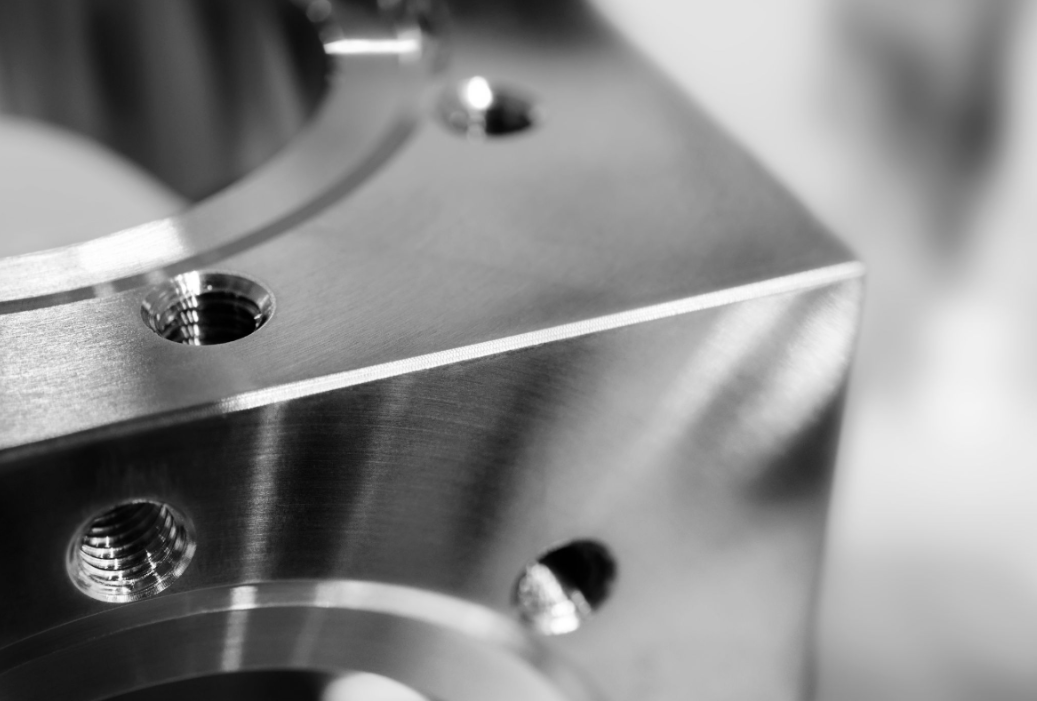
While stainless steel provides superior chemical resistance, exceptional yield strength, and stain resistance compared to carbon steel or aluminum alloys, its mechanical properties present severe resistance to standard cutting tools.
Optimizing tool selection, part tolerances, and cutting parameters is mandatory to establish predictable production cycles and prevent catastrophic tool failure.
What Makes Stainless Steel Hard to Machine
Four distinct metallurgical mechanisms drive up cutting forces, thermal accumulation, and structural risk during machining operations.
Work Hardening
Work hardening is the process by which a material becomes harder after permanent deformation. Bending a paperclip demonstrates the effect directly: the bend itself is easy, but straightening it back requires more force because the metal stiffened where it deformed.
Austenitic stainless steels are among the most susceptible metals to work hardening. Every pass that fails to cut deep enough leaves a hardened skin behind, and the next pass has to cut through material that is now harder than the parent metal. Higher hardness increases cutting resistance and accelerates tool wear, compounding the problem with every subsequent pass.
Low Thermal Conductivity
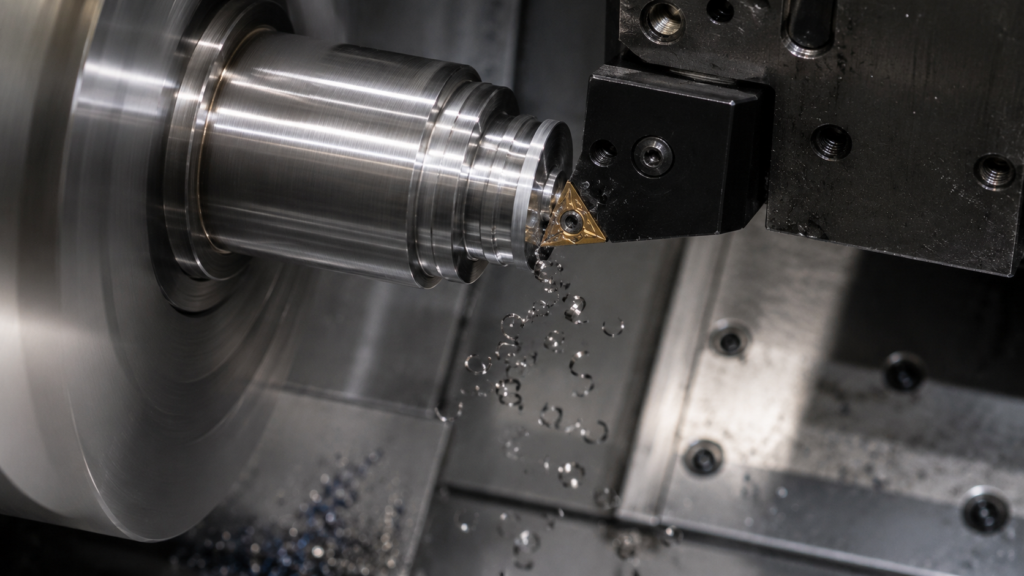
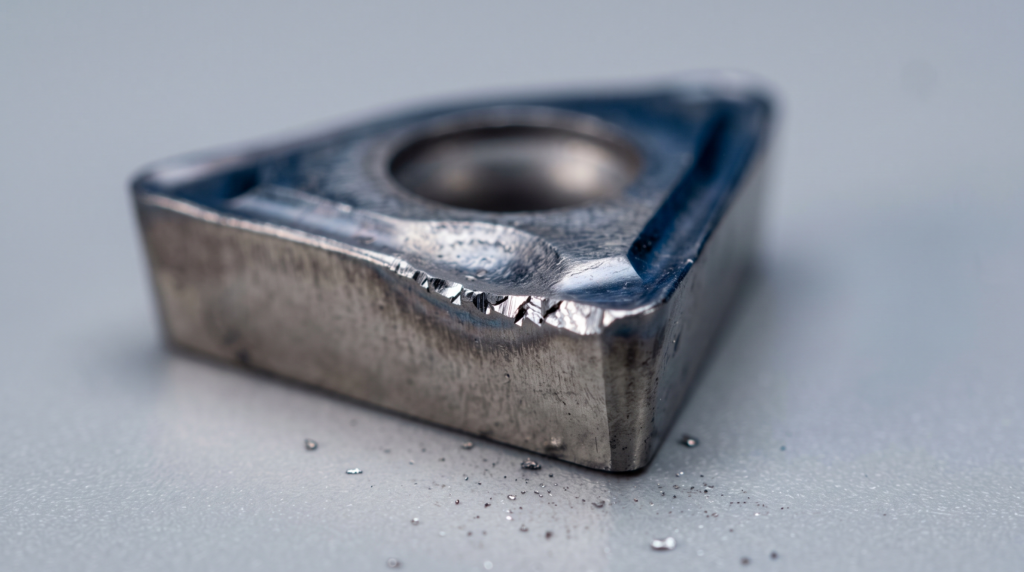
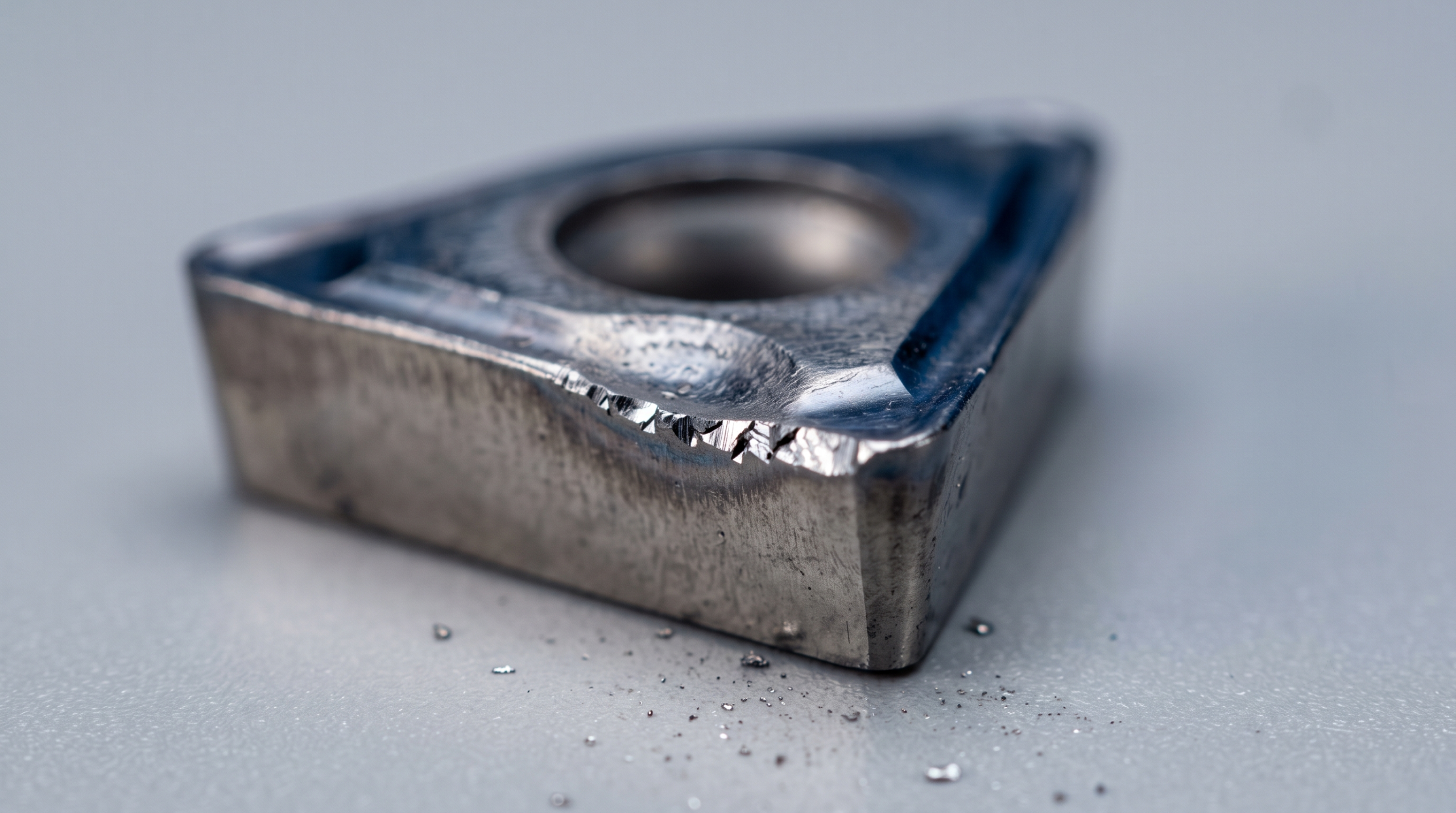
Stainless steel conducts heat at 15-30 W/m·K, well below carbon steel at 30-60 W/m·K and aluminum at 237 W/m·K. Heat generated at the cutting edge has nowhere to go, so it stays concentrated in the cutting zone instead of dissipating through the workpiece. Elevated cutting temperature reduces the tool’s yield strength and hardness, leading to premature chipping or outright tool failure.
High Cutting Forces and Vibrations
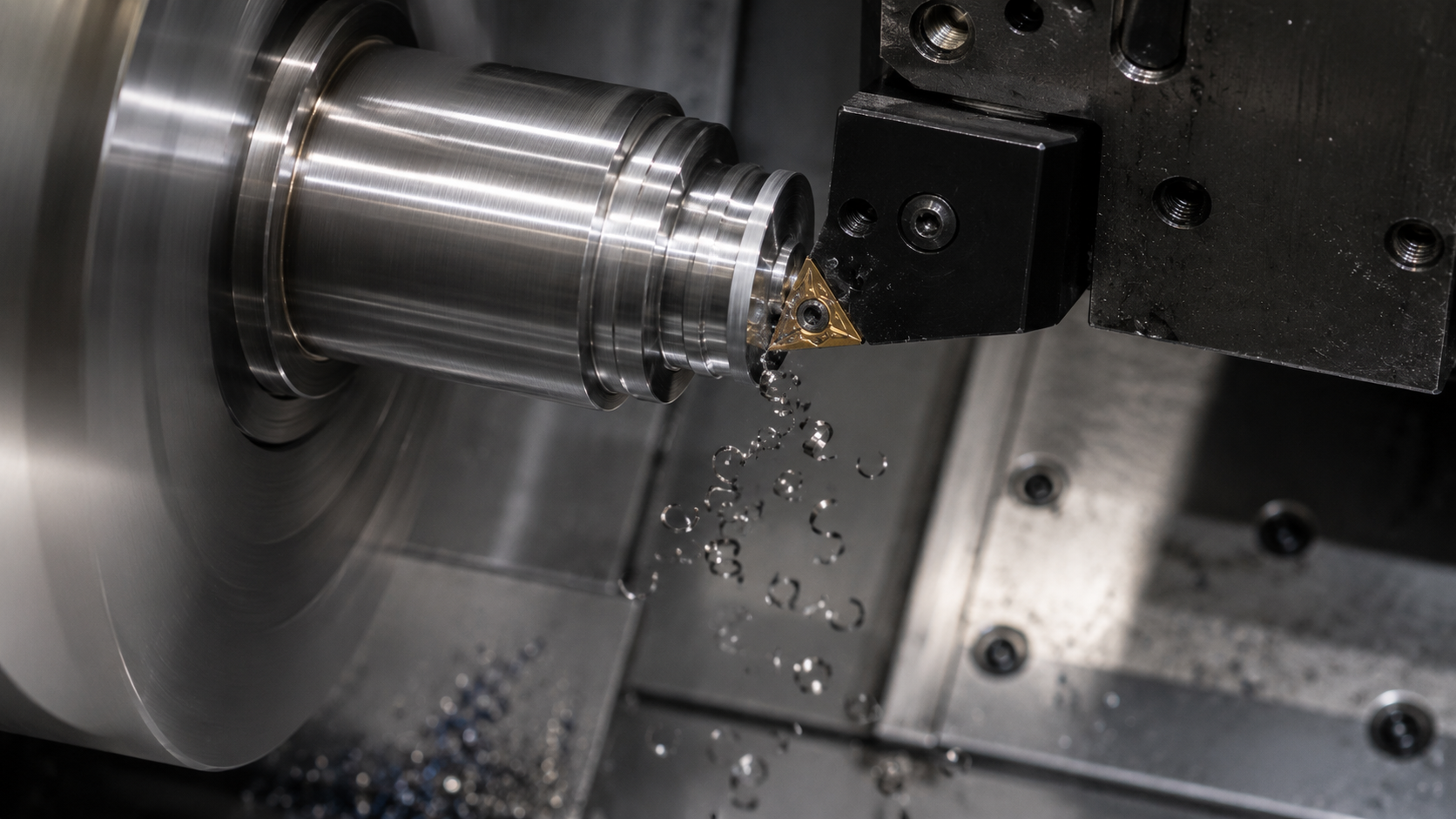
Stainless steel’s strength and ductility demand higher cutting forces than free-machining steels or aluminum, and that combination makes the material prone to chatter. Vibration degrades surface finish, chips tool inserts, and shortens spindle life over time.
Rapid Tool Wear and Chip Control Issues
Work hardening, heat retention, and high cutting forces combine to accelerate tool wear and complicate chip control. Stainless steel produces long, stringy chips due to its strength and ductility. These chips rub against the tool face, intensifying heat concentration and cutting force, and they interfere with the process by damaging both the machined surface and the tool itself.
Machinability Index and Family Classifications
Choosing the right stainless steel for an application can be the difference between efficient production and skyrocketing costs.
The manufacturing industry benchmarks the relative ease of cutting metal against AISI 1112 free-machining carbon steel, which is assigned a baseline rating of 100%. A grade with a machinability rating of 50% requires a 50% reduction in linear cutting speed to achieve an equivalent tool life expectancy compared to the baseline steel.
Machinability Ratings of Standard Stainless Steel Alloys
| Stainless Steel Grade | Machinability Rating | Metallurgical Family | Primary Alloying Characteristic |
| Grade 303 | 78% | Austenitic | High sulfur inclusion for chip breaking |
| Grade 304 | 45% | Austenitic | Standard chromium-nickel baseline |
| Grade 316 | 40% | Austenitic | Molybdenum addition for chloride resistance |
| Grade 430 | 60% | Ferritic | Low carbon, straight chromium composition |
| Grade 416 | 85% | Martensitic | Free-machining, hardenable by heat treatment |
| Grade 2205 | 20% to 30% | Duplex | Mixed austenitic-ferritic crystal structure |
| Grade 630 (17-4 PH) | 30% | Precipitation Hardening | Copper-alloy precipitate aging treatment. |
Choosing the Right Grade
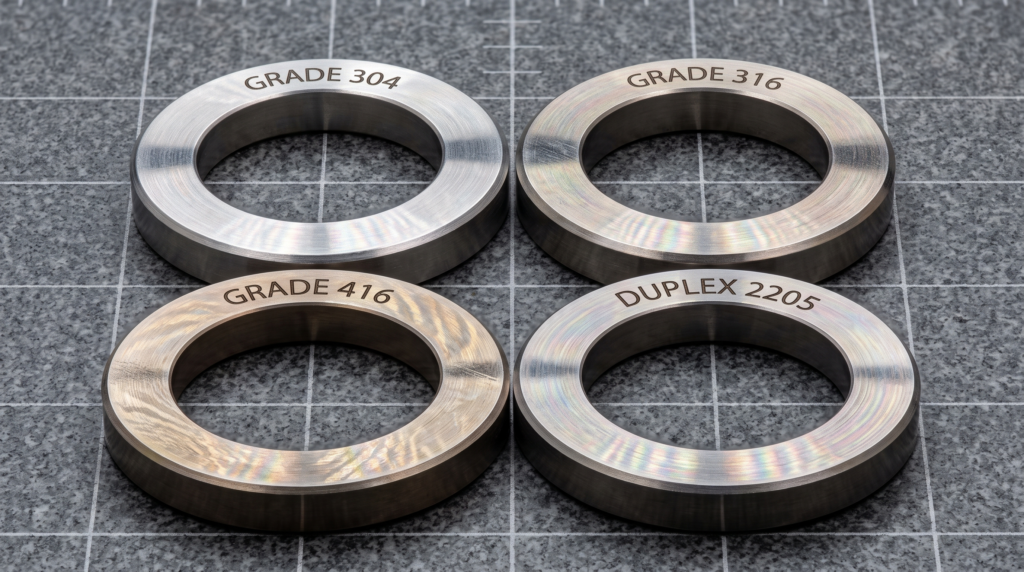
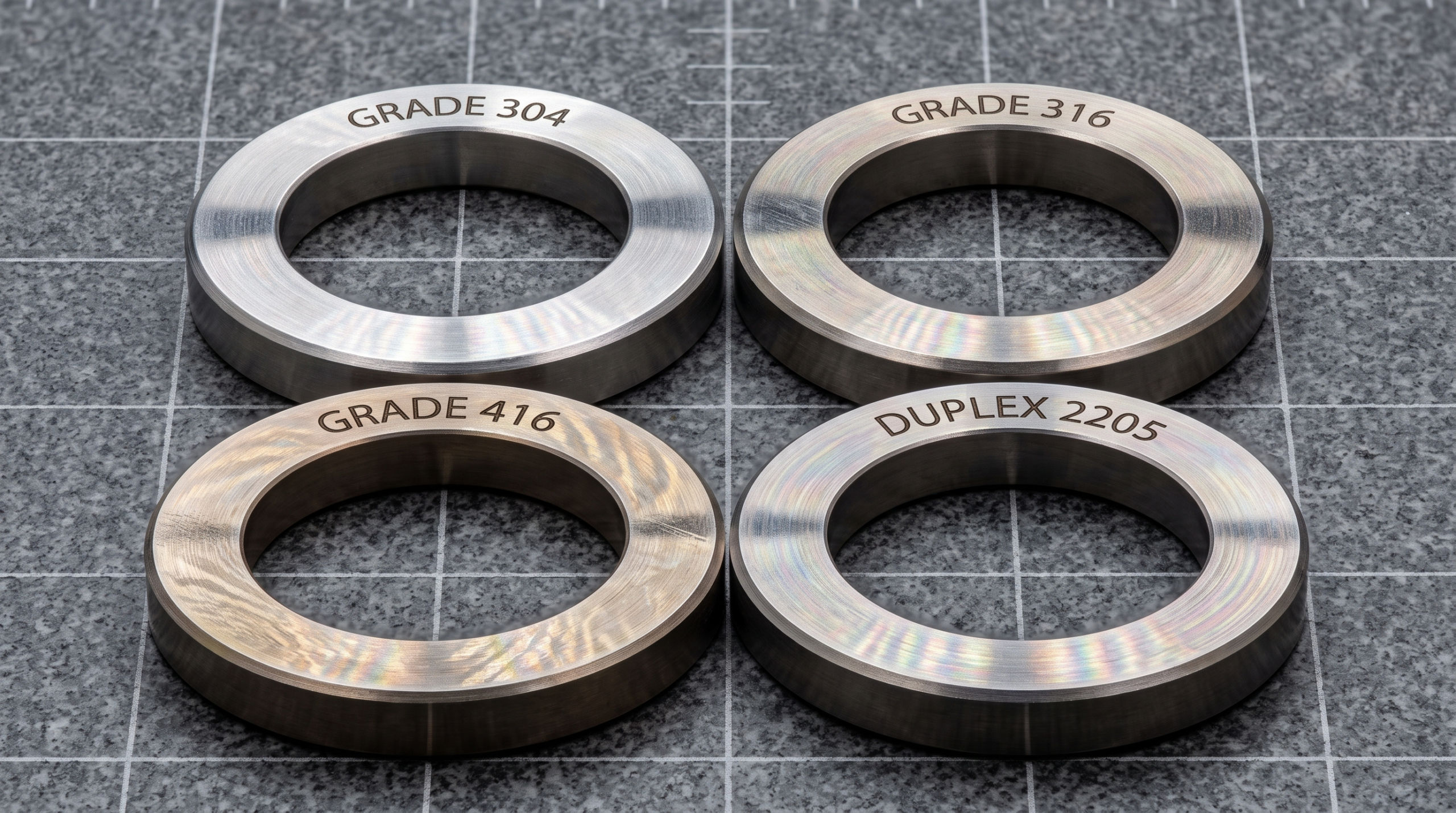
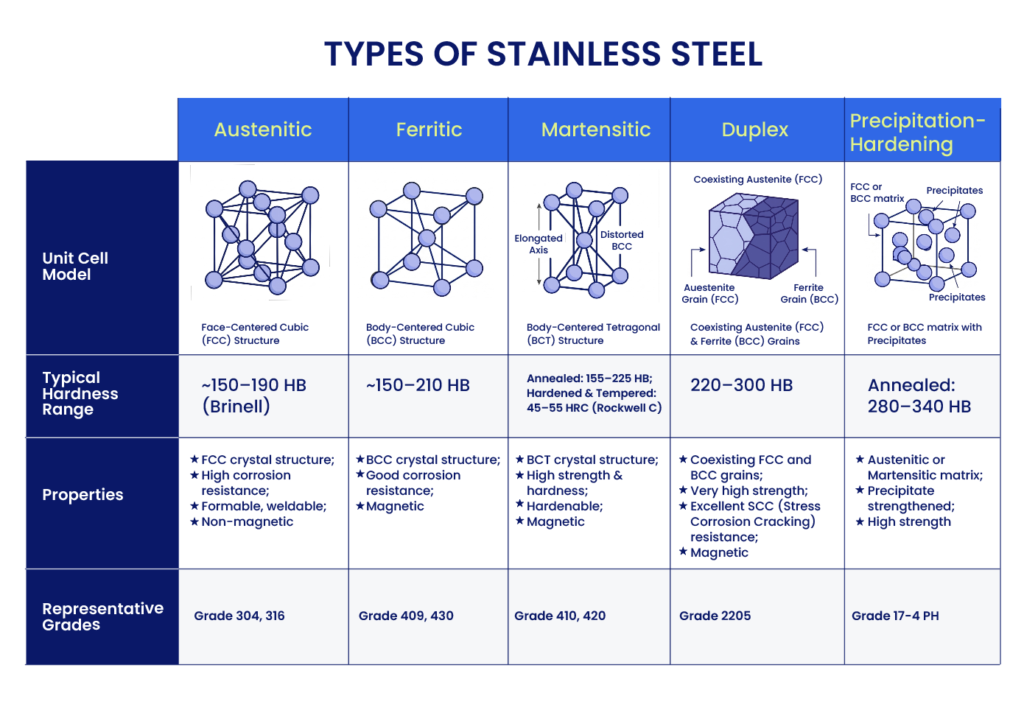
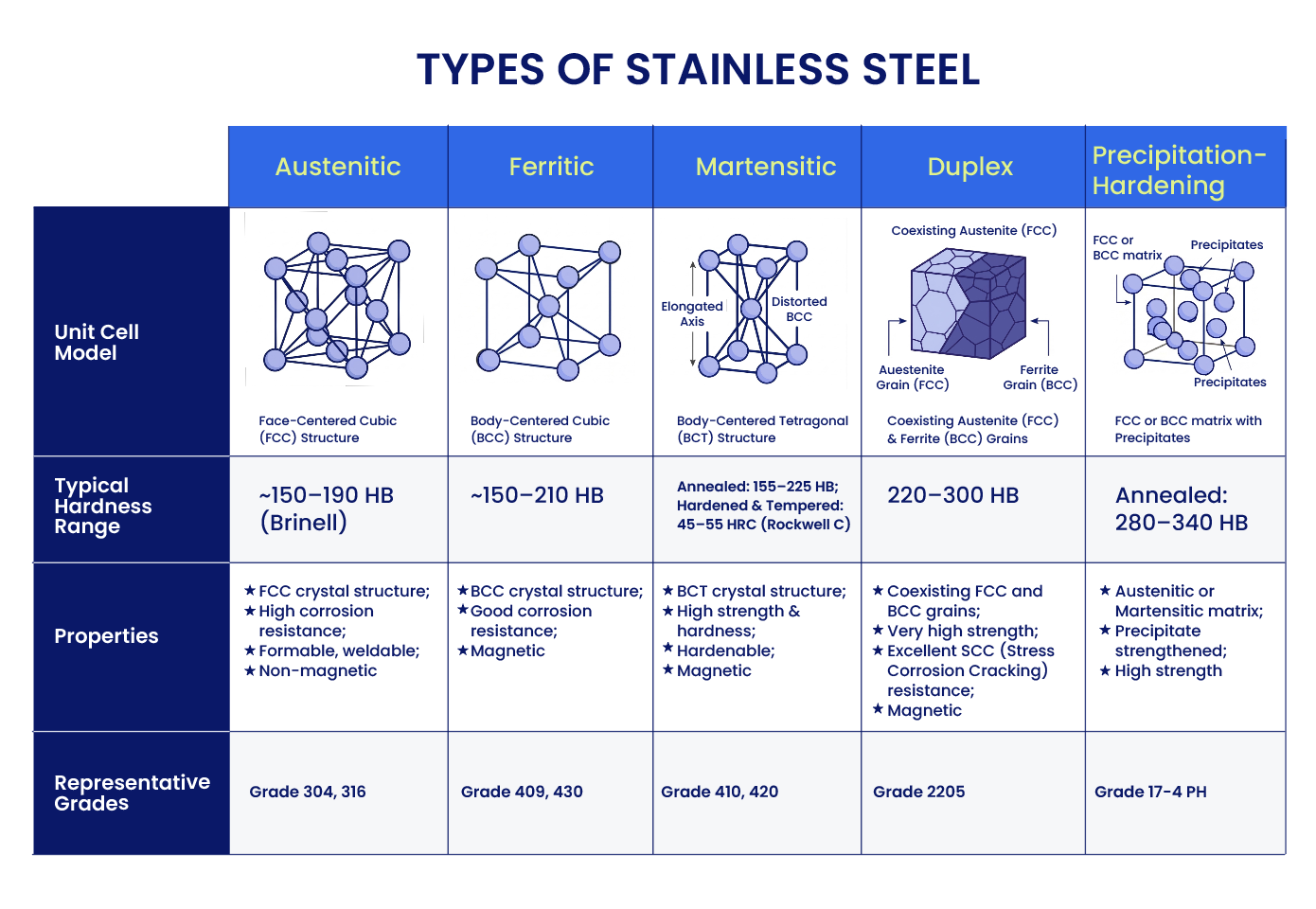
More than 100 stainless steel alloys exist, most falling into five major categories: austenitic, ferritic, martensitic, duplex, and precipitation-hardening. These categories reflect differences in atomic structure and alloying elements, which in turn shape each grade’s properties and end use.
The right grade for a given application is the one that meets load and service environment demands at the lowest combined procurement and machining cost.
| Grade | Best For | Avoid When |
| 303 | High-volume automated production, fasteners, bushings, gears | Marine or chemical exposure, welded assemblies, heavy forming |
| 304 | General-purpose parts, cookware, architectural panels, outdoor hardware | Saltwater or acidic environments, sustained high heat, high-volume runs |
| 316 | Marine hardware, chemical handling, food-grade and surgical parts | Budget-sensitive high-volume work, applications needing heat-treated strength |
| 416 | Gears, shafts, valve components, screw machine parts needing speed | Welded assemblies, bent parts, marine or chloride exposure |
| 630 (17-4 PH) | Mixer blades, molding dies, valves needing high wear resistance | Temperatures above 315°C, sub-zero service, tight budgets |
| 2205 (duplex) | Pressure vessels, stress corrosion cracking risk, weight reduction | High-volume complex machining, extreme bending, tight budgets |
Grade 303
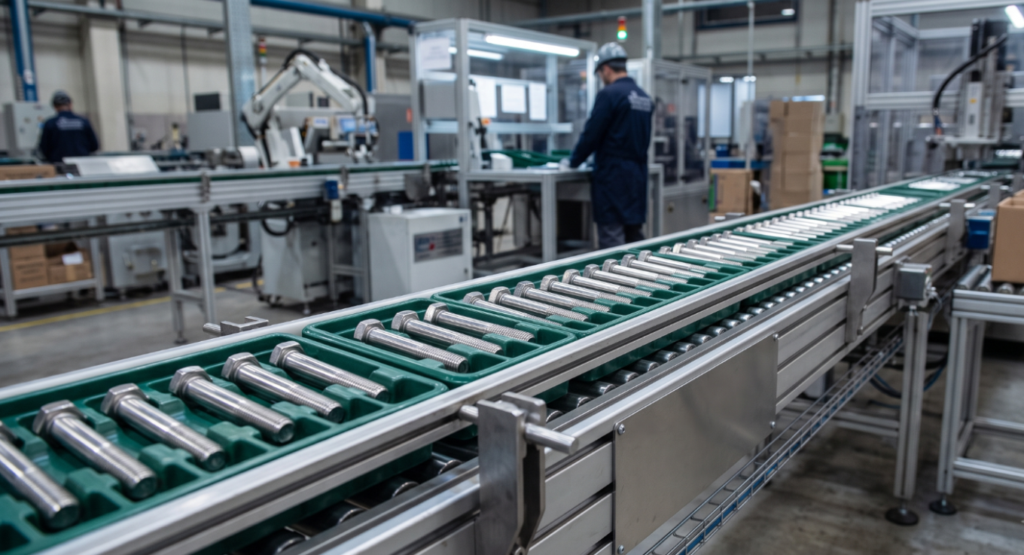
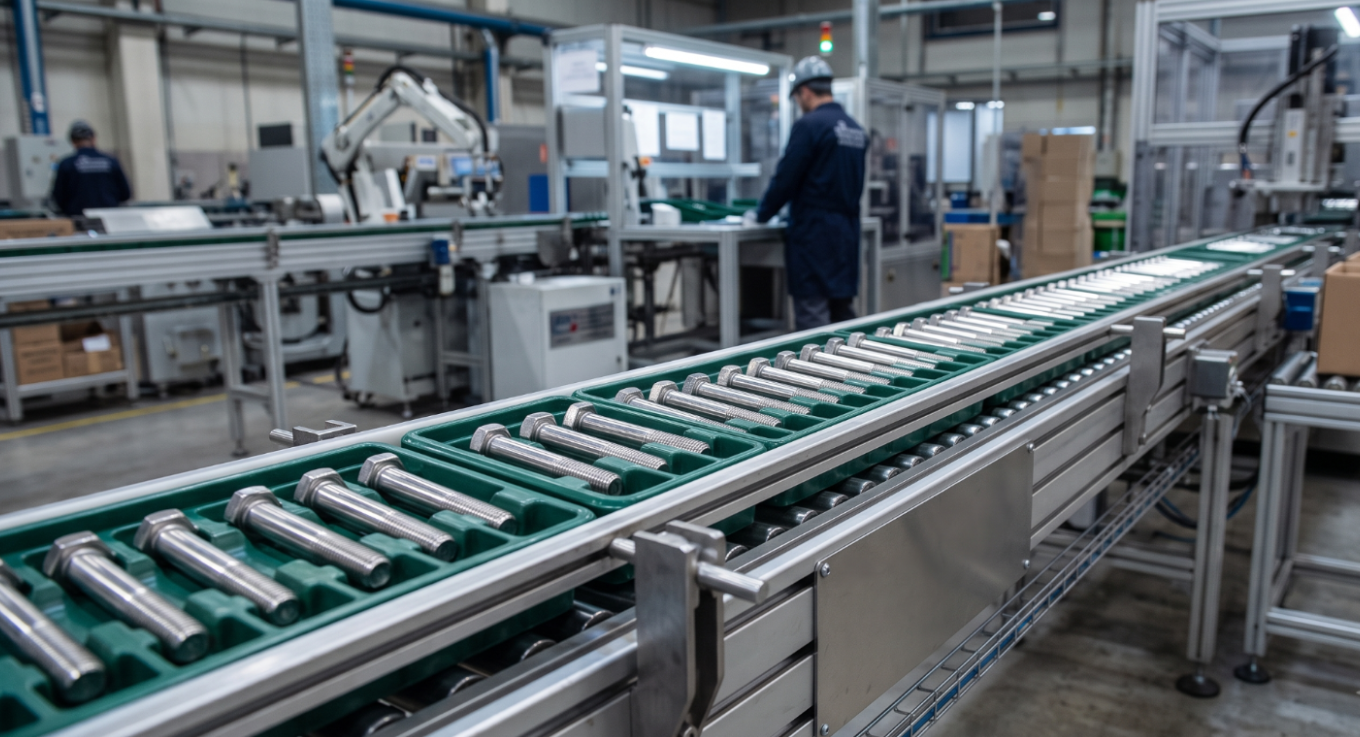
303 is an austenitic stainless steel valued for its free-machining properties, though that machinability comes at the cost of lower corrosion resistance, weldability, and mechanical strength compared to other austenitic grades.
303 suits high-volume automated production of complex, intricate parts. Typical applications include aircraft fittings, bushings, fasteners, gears, and shafts. Its lower corrosion resistance limits use in aggressive environments such as marine, coastal, or chemical settings. Avoid 303 in welded assemblies, since it tends toward hot cracking, and avoid it for parts requiring significant bending or cold forming.
Grade 304
Grade 304 is the most widely used general-purpose stainless steel, prized for formability, corrosion resistance, and affordability.
Sinks, refrigerators, ovens, cabinetry, and architectural panels commonly use 304 for its appearance and stain resistance. It also handles heavy bending and cold forming well, making it suitable for cookware. 304 outperforms 303 on weldability and holds up to outdoor exposure, which extends its use to structures, piping, and hardware exposed to rain and freshwater.
304 is not recommended for saltwater, acidic, or harsh chemical environments, or for sustained high-temperature service, where it suffers scale and strength loss. It is also tough and gummy in the cut, which limits its efficiency in high-volume production.
304 provides the practical cost baseline for grade decisions. When an application’s requirements fall within its scope, 304 delivers general-purpose strength and a polishable finish at reasonable cost. Move to 316 for chloride exposure, 17-4 PH for higher strength, or 303 for easier machining only when 304 cannot meet the service environment, load case, or fabrication requirement.
Grade 316
Grade 316 is the premier marine-grade stainless steel, built to handle seawater, chemicals, and industrial solvents.
316 is the preferred choice for marine and coastal hardware, boat fittings, and architectural components exposed to salt air. It also suits storage tanks, piping, and handling systems for corrosive chemicals, acids, and chlorides. Its non-porous surface and self-repairing chromium layer resist bacterial harboring, making it easy to sterilize and well suited to food-grade, medical, and surgical applications.
316 is not hardenable by heat treatment, so avoid it where extreme structural strength or wear resistance is required. Like 304, it is tough and gummy, which limits its practicality for high-volume production. Stock cost for 316 runs roughly 10-30% above 304, and it takes longer to machine, so reserve 316 for applications that justify the added cost.
Grade 416
416 is a free-machining martensitic stainless steel and the easiest stainless grade to cut. Its 85% machinability rating leads every other stainless grade, ahead of 303 at 78%. The sulfur added to achieve this breaks chips cleanly and allows faster speeds and feeds than any austenitic grade permits.
Unlike 303, 416 is hardenable by heat treatment, which makes it a strong option when a part needs both easy machining and meaningful strength or wear resistance. Typical uses include gears, shafts, bolts, studs, valve components, pump shafts, and high-volume automatic screw machine parts.
The same sulfur that makes 416 cut well limits it elsewhere. Corrosion resistance is moderate at best, below both 304 and its parent grade 410, so 416 is a poor fit for chloride or marine exposure. It is also magnetic and welds and cold-forms poorly, since sulfur promotes hot cracking. Avoid 416 for welded assemblies or parts requiring bending.
Choose 416 when machining cost dominates the decision and the service environment is mild. Step up to 304 for corrosion resistance or stay with 303 for a free-machining grade that better tolerates salt or acid exposure.
Grade 630 (17-4 PH)
Grade 630 is a precipitation-hardened martensitic steel known for high strength. Its hardness suits equipment that must resist wear, scratching, and erosion, such as mixer blades, molding dies, and valves.
Despite its strength, 17-4 PH’s metallurgy makes it brittle under certain temperature and chemical conditions. It is unsuitable for temperatures above 315°C, sub-zero service, or permanent marine submersion.
17-4 PH is not a low-budget option. It requires a specific aging process to reach full strength, adding material and processing cost. When standard strength meets the application’s requirements, grade 304 is the better choice.
Grade 2205
Grade 2205 is a duplex stainless steel combining the strength of ferritic steel with the corrosion resistance of austenitic steel, delivering roughly twice the strength of standard 300-series stainless.
That strength suits high-stress applications such as pressure vessels, storage tanks, and structural parts, and it enables weight reduction designs since the same strength can be achieved with a lighter build. 2205’s resistance to aggressive chemicals, chlorides, and other salts extends its use into marine and other demanding environments.
Like 17-4 PH, 2205 can become brittle under extreme high or sub-zero temperatures, in parts requiring extreme bending, or in high-volume production of complex geometries. 2205 costs roughly 20% more than 316 and 50% more than 304, so it should not be selected while 304 or 316 still meet requirements. Where stress corrosion cracking risk is high, however, 2205 is the only correct choice, since 304 and 316 would fail immediately in that environment.
Production Engineering Use Cases
| Material | Operation | Parameter | Failure Avoided | Result |
| Austenitic Grade 316 | Planar Face Milling | Light radial engagement, well below full cutter diameter | Premature Crater Wear | Reduced heat buildup and extended tool life through thinner chip formation. |
| Martensitic Grade 416 | Swiss-Style Automated Turning | High Sulfur Free-Machining Speeds | Long Stringy Chip Accumulation | Excellent volumetric chip evacuation and lower piece economic cycle times. |
| Duplex Grade 2205 | Deep Blind Hole Boring | High-Pressure Flood Synthetic Water Coolant | Localized Thermal Zone Softening | Precision temperature control preventing immediate insert edge breakdown. |
Design Rules for Machined Stainless Parts
As noted earlier, the design phase is where the majority of machining expenses are established. Consequently, observing these design rules for machining is essential for cost-effectiveness.
Stainless Steel DfM Optimization Guidelines
| Design Target Feature | Associated Process Constraint | Potential Sourcing Penalty | Core DfM Override Rule |
| Internal Pocket Corner | Radius must match cutter radius | Custom profile tooling charges | Size corner radius to match or slightly exceed a standard tool radius to avoid custom cutters and support chip flow. |
| Hole Bottom Profile | Standard twist drill leaves 118° angle | Incomplete thread profile depth | Add a thread relief buffer of 2 to 3 pitch lengths beyond the required thread depth on all blind hole prints. |
| Thread Manufacturing | Structural tap torque causes breakage | Extended EDM extraction labor | Transition to helical thread milling to clear chips safely. |
| Open Coordinate Size | Machine axis translation resolution | Extended cycle runs and checking | Apply Class m open tolerances via title block configuration. |
| Part Wall Dimension | Extreme flex under cutter force | Part wall bowing and scrap | Transition to duplex 2205 to cut cross-section thickness safely. |
- Do Not Overengineer Parts
With stainless steel, it is easier to overengineer parts due to the sheer number of grades available. Designers may choose 316L (L stands for low carbon) just to be safe when 304 would have been sufficient. Always select the correct grade for an application. The wrong grade affects not only procurement but also the machining and post-processing costs. Avoid tighter machining tolerances unless needed for function.
- Match the Finish with Function
Specifying the right finish can be the difference between meeting and blowing a budget.
Enforcing an ultra-smooth profile specification (Ra < 0.4 µm) on non-sealing or non-hygienic faces forces the addition of secondary cylindrical grinding, lapping, or multi-pass
electropolishing procedures. Keep the standard as-machined finish (Ra 3.2 µm) as your default boundary wherever mechanical performance allows.
- Design for CNC machining
Avoid or modify features that cannot be manufactured reliably on CNC machines. Choose CNC-friendly grades. For instance, for parts that do not require extreme corrosion resistance and post-fabrication welding, Grade 303 is preferred over more difficult-to-machine grades. Duplex stainless steels can reduce the part’s thickness by half compared to standard austenitic grades. The cost is saved on multiple fronts, from procurement to post-processing treatment.
Machining Stainless Steel
Stainless steel rewards a deliberate approach to tooling, speed, and cooling.
| Practice | Recommendation | Why It Matters |
| Tool material | Coated carbide, sub-micron grain for toughness; TiAlN or AlTiN coating for high-volume runs | Standard tools fail from heat and built-up edge |
| Cutting speed | Conservative | High speed raises cutting temperature and shortens tool life |
| Feed rate | Aggressive, with constant feed | Low feed rates cause rubbing, which drives work hardening |
| Depth of cut | Deep enough to cut past the work-hardened layer on every pass | A shallow finishing pass bites into hardened material instead of virgin metal |
| Cooling | Water-based coolant for high-speed operations; neat cutting oil for tapping and threading | Heat accumulation threatens tool life more than friction does |
| Machine setup | Rigid, with high clamping force and short tool stickout | Deflection causes chatter, work hardening, and tool breakage |
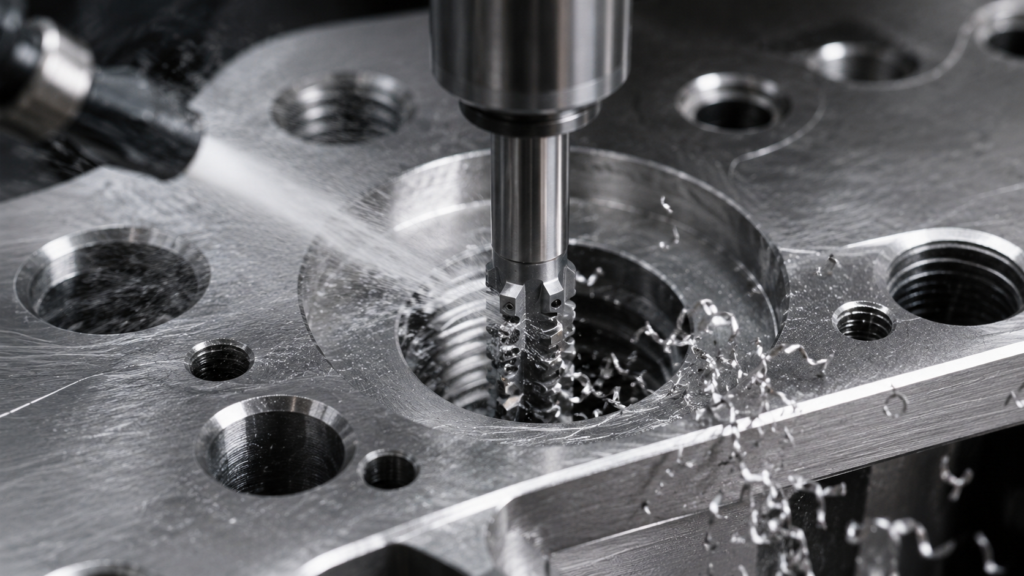
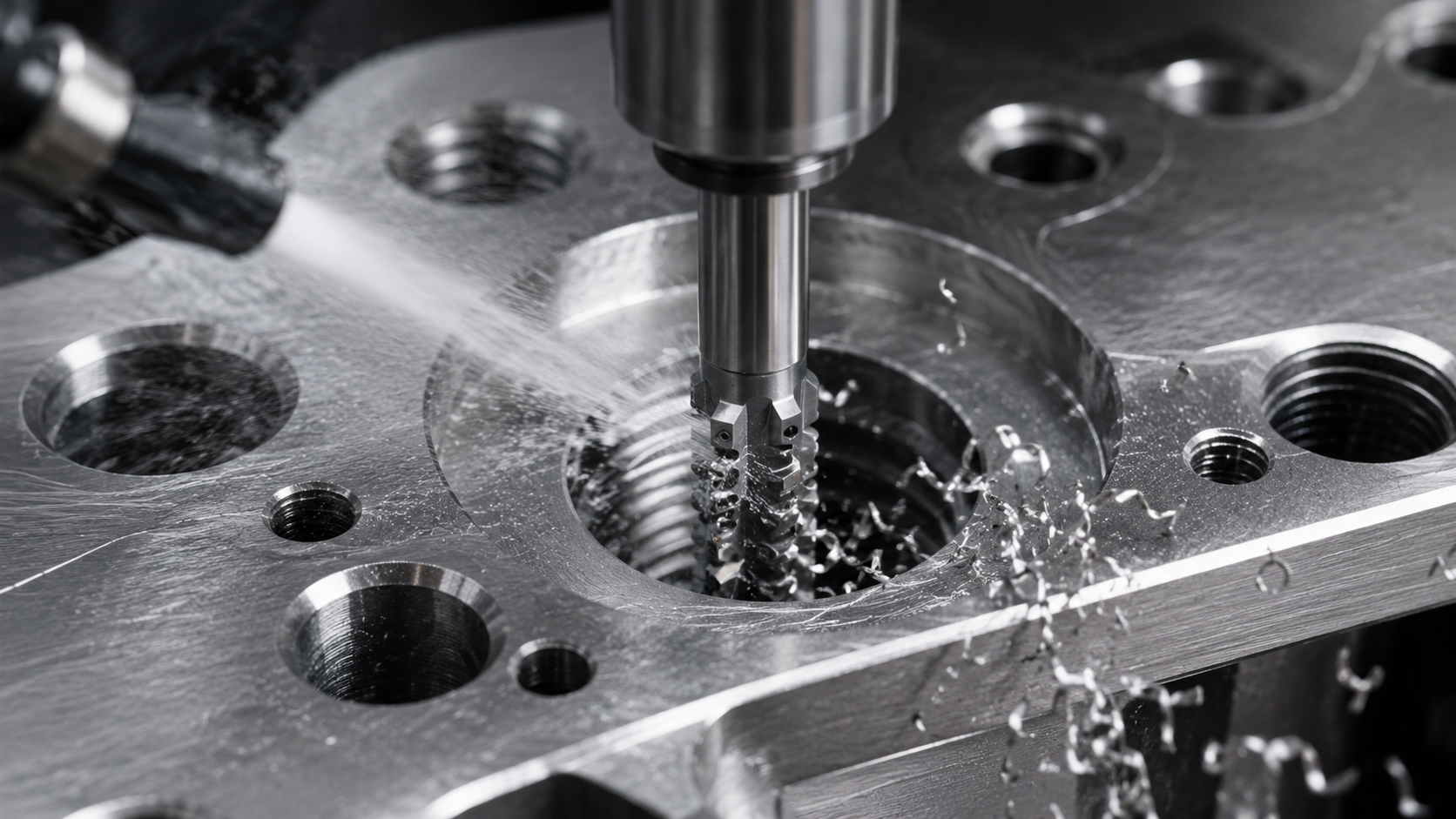
Thread milling is generally the better choice over thread tapping for stainless steel, since it reduces friction and tool stress on a material already prone to work hardening.
Engineers sizing internal threads for either method can cross-check tap drill sizes with the thread and tap drill size calculator before committing to a tapping strategy.
Post-Machining Treatments
Machining leaves surface contamination, rust risk, and premature wear behind, and secondary processing addresses each of these before a stainless part ships.
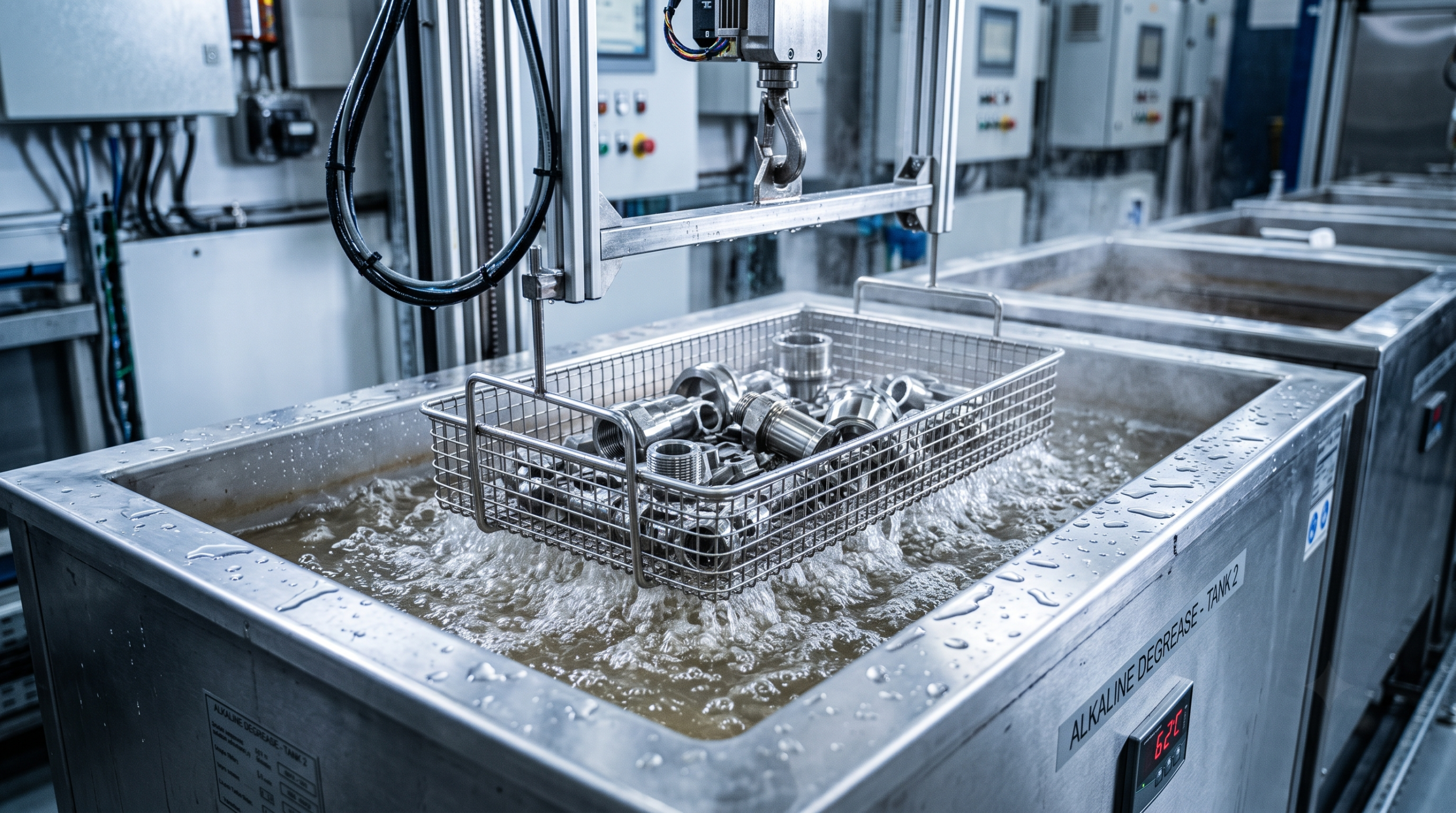
Cleaning and degreasing
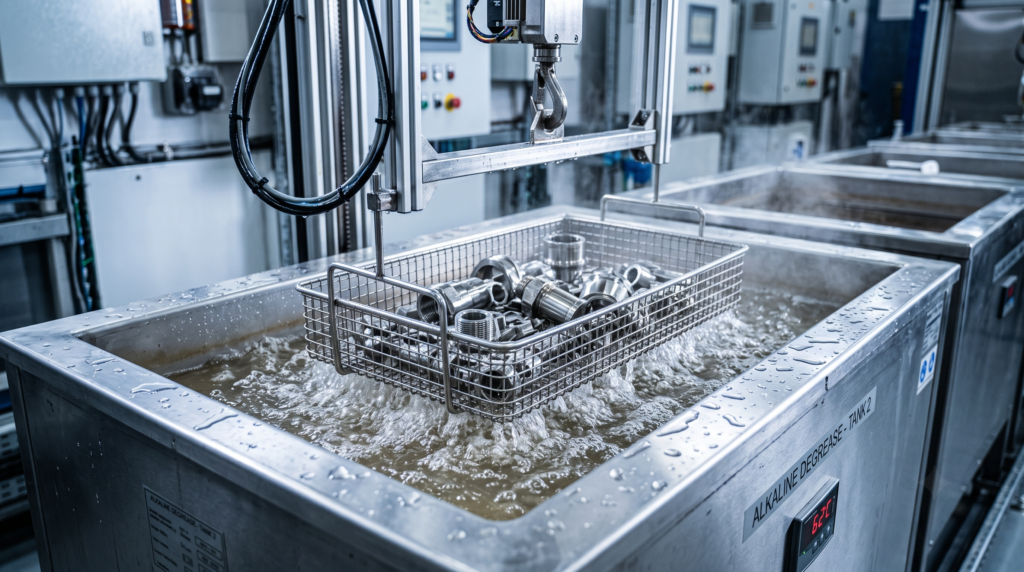
Machined parts need cleaning to remove cutting fluids, oils, and swarf, typically through alkaline cleaning or solvent degreasing. This step is necessary before passivation, since residue on the surface prevents the acid bath from working properly.
Passivation
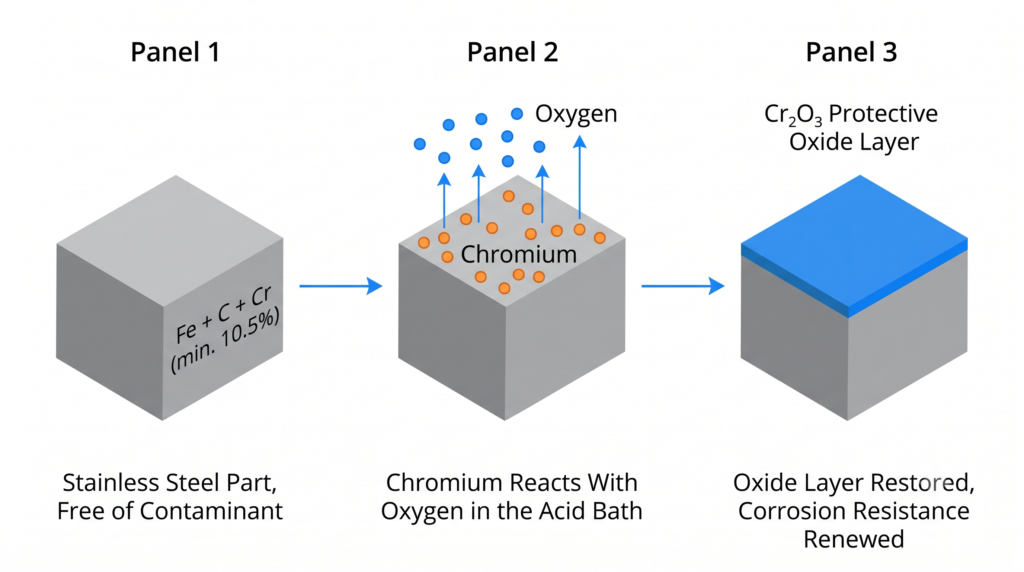
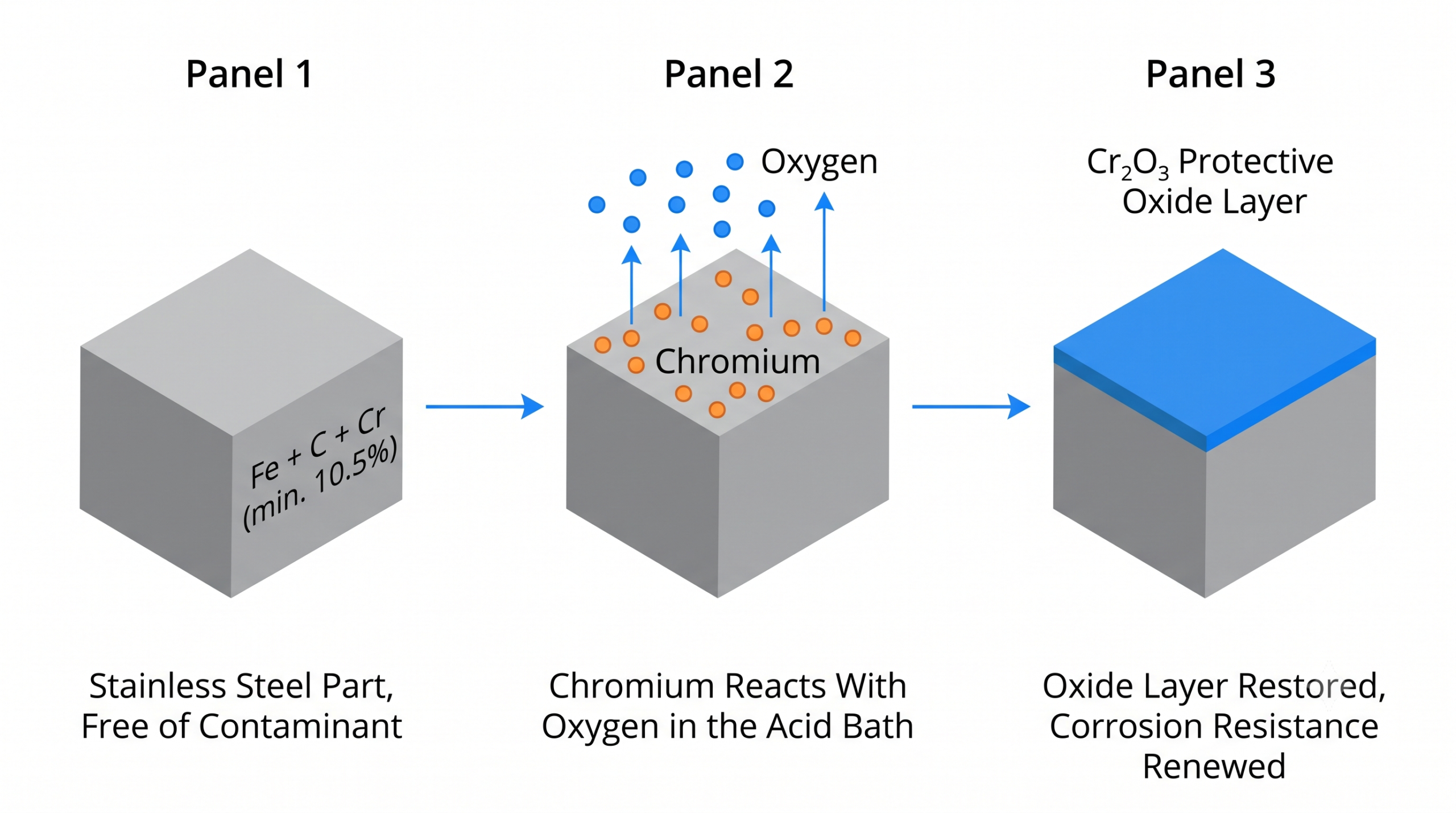
Passivation treats stainless steel chemically with nitric or citric acid, removing the free iron left behind by the cutting tool, which would otherwise act as a corrosion initiation site. The process restores the uniform chromium-oxide layer responsible for the material’s corrosion resistance.
Electropolishing
Electropolishing is an electrochemical process that removes a thin surface layer, smoothing microscopic peaks and producing a clean, low-friction, highly corrosion-resistant surface. It is typically specified for medical, pharmaceutical, semiconductor, and food-grade applications.
Alternatives to Stainless Steel
Stainless steel is the preferred choice when an application needs maximum corrosion resistance, high temperature service, aesthetic appeal and strict hygienic properties.
When machining difficulty outweighs the benefit, other materials may fit the application better.
| Alternative | Choose When |
| Mild steel | Budget is limited and parts can be painted or coated for corrosion protection |
| Aluminum | Weight and thermal conductivity matter more than strength or corrosion resistance |
| Brass | Machinability and moderate corrosion resistance are priorities, with antimicrobial benefit |
| Plastic or composite | Electrical insulation, weight, and cost outweigh mechanical strength needs |
Match Specs with Requirements
Stainless steel delivers corrosion resistance and durability that few materials match, but every one of those properties adds friction at the machine. Grade selection, tolerance discipline, tooling choice, and post-processing all pull in the same direction: match the specification to the actual service requirement, not the safest-sounding one.
Related Topics
 Contact VED
 1
4
1
4



Comment(0)