

 Europe
  Türkiye
  United Kingdom
  Global








 Login with my Xometry account




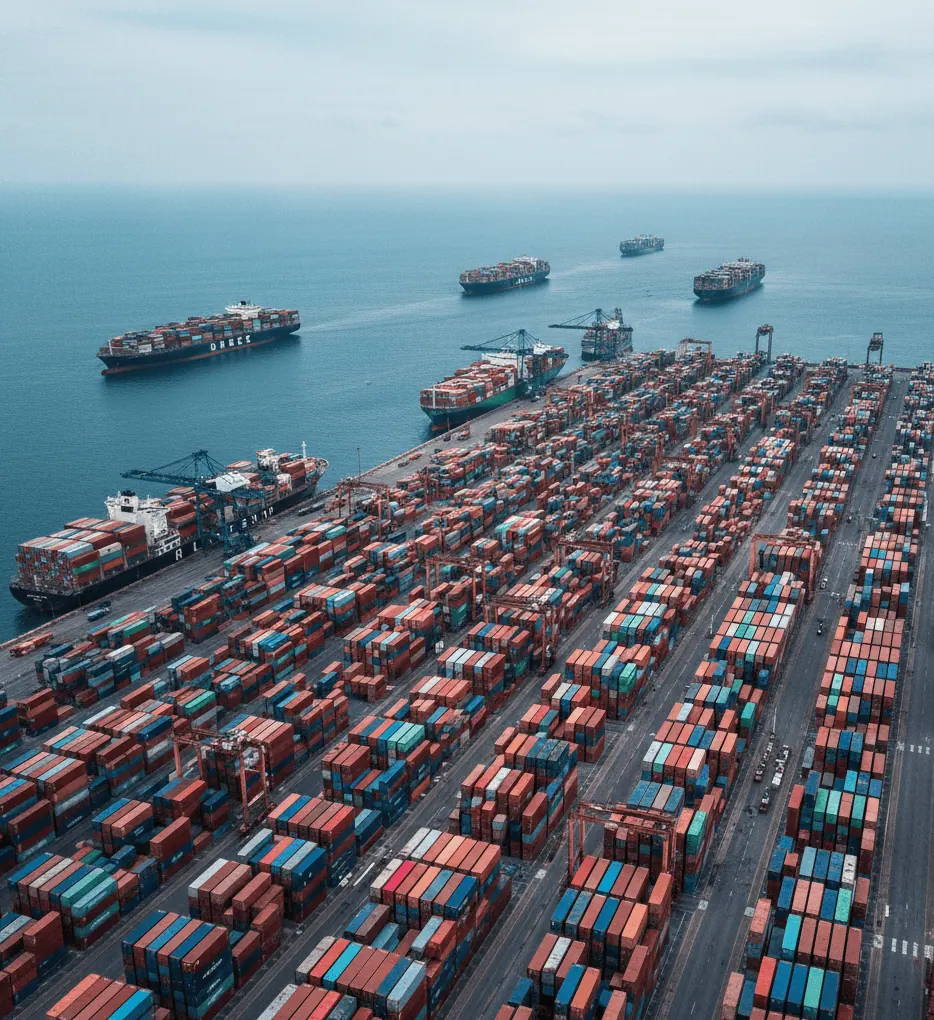
In conventional product development, supply chain logistics are often treated as an afterthought, leaving teams to solve complex sourcing and shipping burdens at the very end of the project.
DfSC aims to avoid this scenario entirely. By tackling these questions upfront, engineers gain the flexibility to ensure long-term robustness in a company’s ability to both manufacture and deliver products. As a critical pillar of the Design for Excellence (DfX) framework, DfSC directly impacts material selection, manufacturing methods, supplier choices, lead times, and overall costs.
What is Supply Chain Management?
Before diving into DfSC, it is important to establish what a standard supply chain entails. A supply chain is the interconnected network of organizations, resources, activities, and technologies required to transform raw materials into a finished product delivered to the end-user.
The core processes generally include:
- Procurement (Sourcing)
- Production (Manufacturing)
- Storage (Warehousing)
- Distribution (Logistics)
Supply Chain Management (SCM) is the strategic coordination of all these physical and informational flows across various stakeholders to manage the movement of goods from their origin to the customer.
What is Design for Supply Chain?
In traditional industries, supply chain specialists operate in a silo, assessing processes completely separately from the product design team. In DfSC, these considerations are integrated into the CAD and conceptual stages early on. It goes far beyond simple ”make-or-buy” decisions and buyer-supplier relationships.
This means designing the physical product with specific supply chain limitations and opportunities in mind to enhance overall efficiency. During a DfSC workflow, design teams evaluate:
- Material and equipment availability
- Supplier locations
- Logistics and transportation
- Packaging and storage
- Inventory constraints and their effect on lead times
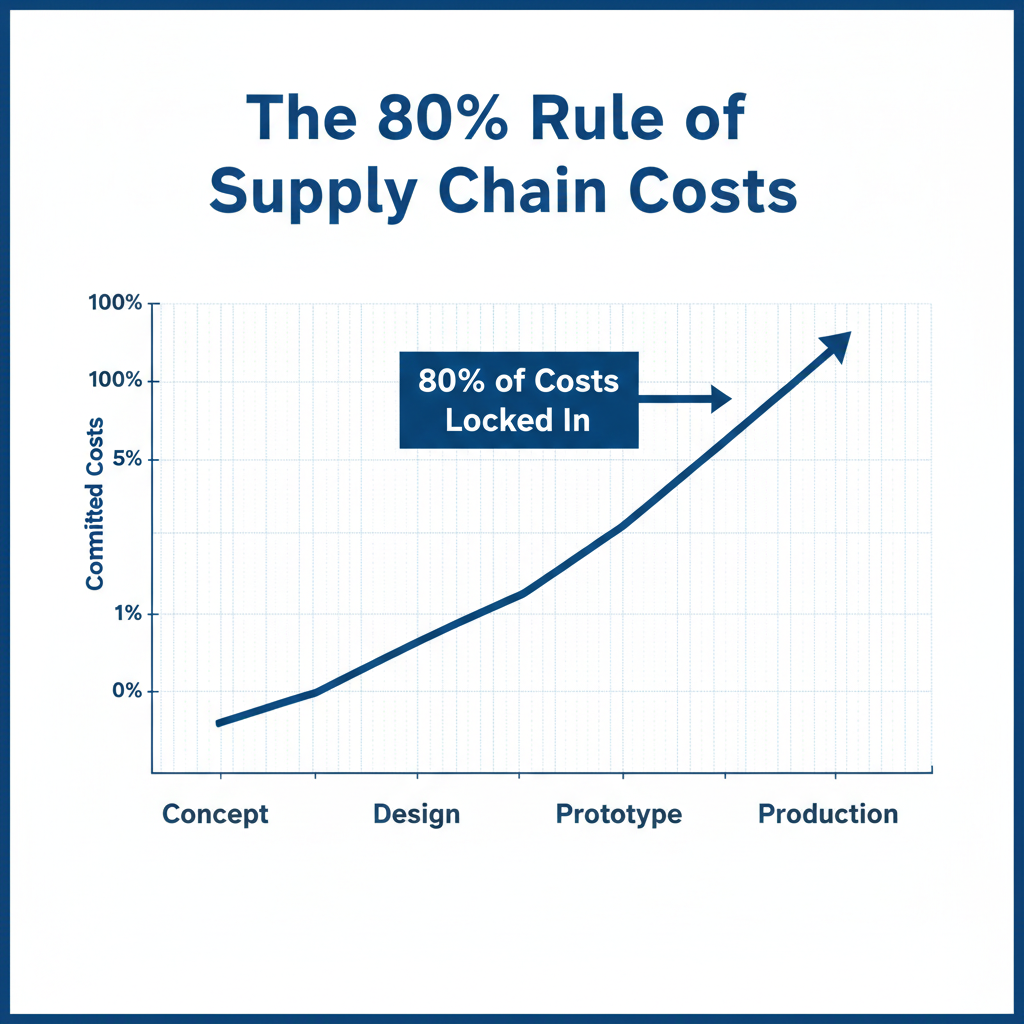
Because there are numerous combinations and manufacturing paths for any given product, considering supply chain capabilities during the design process locks the product onto the right path, reducing the need for costly late-stage redesigns.
Thus, instead of only focusing on the product design that provides the highest functionality with the most cost-effective components from a manufacturing point of view (DfM), the design’s impact on the supply chain should also be considered. Design for Supply Chain (DfSC) looks at the broader logistical picture.
Principles of Design for Supply Chain
DfSC is based on several principles to achieve a risk-aware design. Demand and supply involve numerous uncertainties that can cause supply chain disruptions. For example, relying on a single supplier is a big risk factor that can be very difficult to fix quickly.
Similarly, demand forecasting of specific product variants is difficult. Adopting flexibility through standardization, delaying product differentiation, and modularity help mitigate the risks associated with demand uncertainty.
Therefore, applying DfSC principles mitigates supply chain volatility and enhances its visibility and the communications within it.
Key Principles of Design for Supply Chain (DfSC)
The principles of DfSC revolve around making product development choices that inherently simplify sourcing, manufacturing, and distribution. While traditional design focuses almost entirely on form and function, DfSC introduces logistical survivability into the engineering equation.
Here is a quick reference table to the core principles:
| Principle / Strategy | Supply Chain Objective |
| Component Standardization | Reduce inventory SKUs and reliance on custom parts by using standard, off-the-shelf components. |
| Modular Design (Postponement) | Delay final customization to adapt to regional demand without overstocking variations. |
| Material & Sourcing Flexibility | Utilize globally available materials rather than exotic alloys to prevent supply shortages. |
| Pre-Assembled Components | Cut down final assembly time, specialized equipment needs, and overseas shipping complexity. |
| Expedite Shipping Costs | Prevent supply chain panics and rush fees by ensuring adequate lead times and alternative components. |
| Future-Proofing | Design flexible product architectures to easily accept next-generation components. |
| Supplier Efficiency | Consolidate manufacturing processes under single, multi-capable suppliers to streamline logistics. |
| Manufacture Near Destination | Tap into local suppliers (nearshoring) to avoid global shipping delays, political issues, and heavy tariffs. |
| Transportation-Friendly Design | Maximize pallet density through physical geometry and packaging to drastically reduce freight costs. |
1. Component Standardization (Using COTS)
Every unique, custom-designed screw, bracket, or microchip adds a new branch to your supply chain tree. This means more suppliers to vet, more minimum order quantities (MOQs) to meet, and a higher risk of a single missing part halting the entire production line.
This approach allows the organization to maintain lower inventory levels, preventing significant resources from being tied up in parts sitting on factory shelves. Furthermore, utilizing the same parts across various products within the organization is often possible.
While entirely relying on standard components limits innovation, making custom parts unavoidable, the real consideration is where standard parts can be effectively utilized. The decision rests on a case-by-case evaluation of whether a custom solution truly delivers a superior outcome.
2. Modular Design and the “Postponement” Strategy
In supply chain management, forecasting exact customer demand for various product colors, plugs, or software versions is notoriously difficult. DfSC solves this using postponement.
Engineers design a universal “base module” that is manufactured in high volume at a primary facility. The final, customer-specific features (like snapping on a localized power supply or a custom-colored housing) are added at regional distribution centers at the very last minute. This prevents warehouses from overstocking the “wrong” variations.
For example, a company that builds conveyors for different purposes could have a few versions of the motor and tensioning sections, rollers, legs, standard frame parts, etc. Some conveyors could then be built solely from those modules while most customer requests are doable with a few modifications and custom sections.
This is beneficial in numerous scenarios. In some cases, multiple versions of the product are required. For example, if an electric device is to be exported to multiple countries, its power supply modules will need to be adjusted according to the voltage requirements of the country.
3. Material & Sourcing Flexibility
The design should consider the use of alternate components in case of shortage of some of the original components. A product is only as robust as its rarest material. Designing a chassis out of an exotic aerospace-grade titanium might yield excellent performance, but if only two mills in the world produce it, your supply chain is incredibly fragile.
DfSC requires engineers to validate material availability globally. Can this part be made from standard Aluminum 6061-T6 instead? If the primary supplier goes offline, is the design flexible enough to be manufactured using a slightly different alloy without requiring a complete mechanical redesign?
4. Using Pre-Assembled Components
When appropriate, integrating pre-assembled modules (such as complete electronic chipsets) can significantly cut down the time, cost, and specialized equipment required for final assembly.
If your primary factory is overseas, shipping pre-assembled modules rather than thousands of loose, individual components reduces transportation costs and simplifies the final on-the-spot assembly.

5. Expedite Shipping Costs
The need for expedited shipping usually means a critical component was overlooked in the planning phase, forcing companies to pay massive premiums to meet looming deadlines.
Design for Supply Chain minimizes these costly interruptions by ensuring the availability of alternative components and giving suppliers adequate lead times. Good design prevents supply chain panics entirely.

6. Future-Proofing for Product Evolution
Products will inevitably change to cope with market trends. The design of high-tech products (like mobile phones or IoT devices) must account for these changes to avoid costly supply chain surprises. If an engineer designs a product around a highly specialized technological element that becomes obsolete in two years, the procurement team will face massive difficulties locating new sources.
DfSC ensures the architecture is flexible enough to accept next-generation components without requiring a total mechanical redesign.
7. Supplier and Subcontractor Efficiency
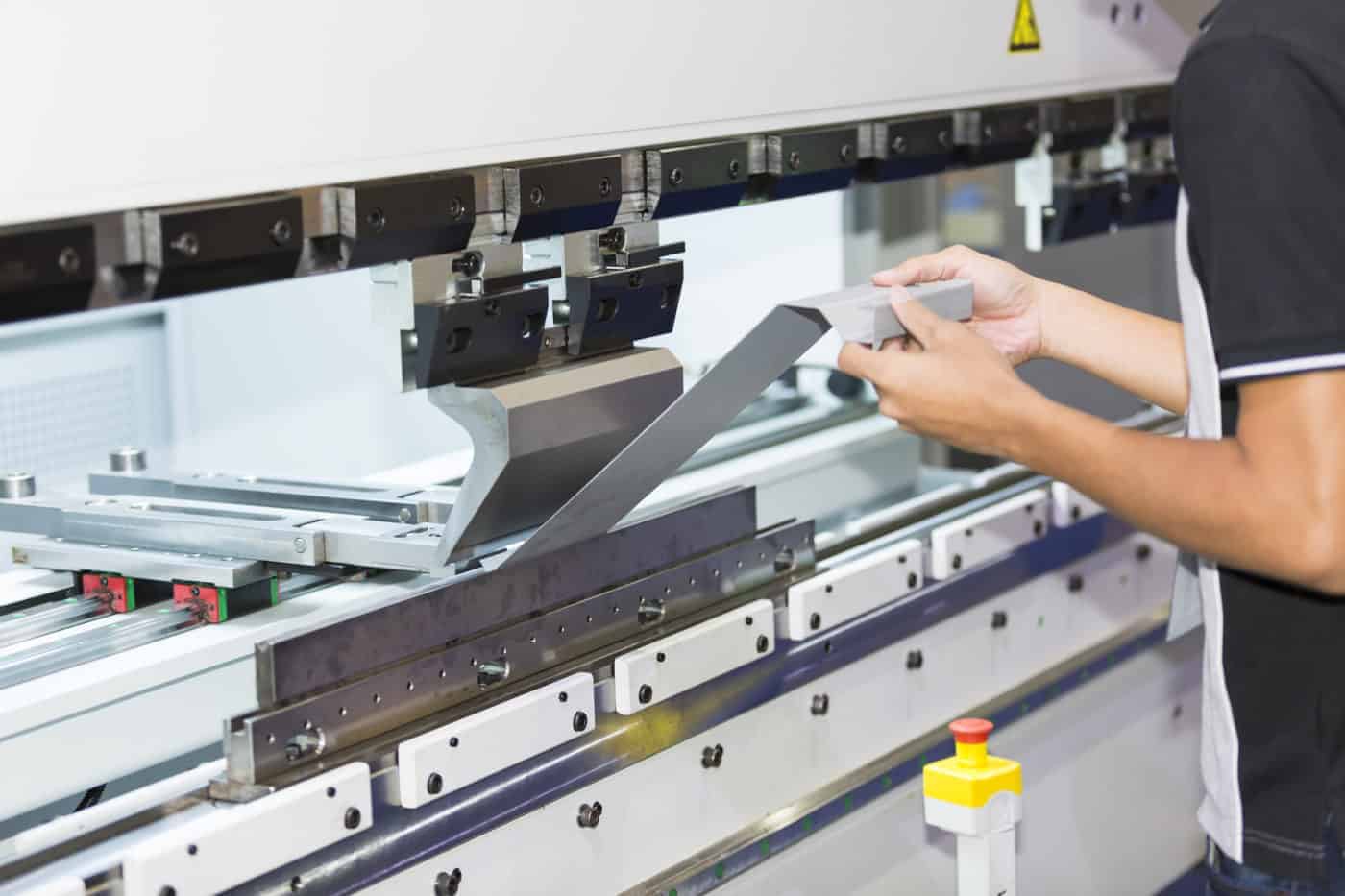
Procurement teams should aim to utilize as few suppliers as reasonably possible, balancing risk with the benefits of being a high-volume, priority client. DfSC achieves this by designing parts that can be manufactured by a single, multi-capable supplier. For example, rather than sourcing parts from four different shops, it is far more cost-efficient to design an assembly so that a single sheet metal fabrication supplier can handle the laser cutting, bending, welding, and coating all under one roof.
8. Manufacture Near the Destination
Dealing with local suppliers and subcontractors can help companies avoid:
- Disruption of the supply chain by political issues
- Shipping delays
- High shipping costs
- Taxes and duties
For example, Xometry offers the opportunity to tap into international manufacturing markets with a single point of contact, helping establish the supply chains in various regions if necessary.
As global logistics become more volatile, many companies are moving toward nearshoring, bringing manufacturing closer to the end consumer. However, a product must be designed to be nearshored.
Such a setup can include the manufacture of large metal construction near the destination and overseas shipping for custom electronics, resulting in a considerable mitigation of the risks listed above.
9. Transportation-Friendly Design
Product design must ensure cost-efficient transport. Maximizing pallet density through product structure and packaging design significantly reduces freight costs.
A notable illustration of this principle is the design of soda cans. After exploring various forms, the cylindrical shape with a flat top was determined to be the best. This shape successfully balanced functionality and durability while streamlining the processes of packing, transportation, and storage.
Moreover, packaging at distribution centers allows bulk transport, cutting freight costs, and enabling postponement for additional savings.
Even a small dimension reduction (e.g., 10%) to fit a standard shipping pallet can save millions in freight costs over a product’s lifecycle.
Digital Tools for Design for Supply Chain
Implementing DfSC is no longer a guessing game; it is heavily supported by modern digital infrastructure.
- AI vs. Traditional Demand Forecasting: Traditional forecasting relies on outdated historical data. Today, machine-learning tools (like Blue Yonder) analyze real-time variables—from social media trends to live weather patterns—to predict supply chain shifts before they happen.
- Network Design & Simulation: Software platforms like anyLogistix allow engineers to simulate supply chain scenarios digitally. Teams can test if a proposed modular design or a postponed packaging strategy will actually enhance network efficiency before cutting any physical tooling.
The ROI of Design for Supply Chain: A Summary Table
| Strategic Benefit | The DfSC Mechanism (How it works) | Bottom-Line Impact (Why it matters) |
| Cost & Inventory Optimization | Standardized COTS parts, modularity, and cubic packaging efficiency. | Slashes global freight costs, reduces capital locked in warehouse inventory, and minimizes material waste. |
| Agility & Market Responsiveness | Postponement strategies and alternative component flexibility. | Absorbs forecasting errors and sudden demand spikes without risking severe stockouts or lost sales. |
| Operational Efficiency & Visibility | Aligning CAD designs with the actual capabilities of existing manufacturing partners. | Eliminates late-stage production interruptions, expensive expedited shipping fees, and internal departmental silos. |
| Lifecycle & Environmental Sustainability | Designing for transportation efficiency, ethical sourcing, and minimal overproduction. | Significantly lowers the product’s carbon footprint while streamlining management from initial launch to end-of-life disposal. |
| Better Customer Satisfaction | Building an inherently predictable, shock-resistant logistics network. | Guarantees higher service levels and reliable, on-time order fulfillment for the end user. |
Real-Life Examples of Design for Supply Chain
To illustrate the importance and impact proper implementation of DfSC principles can have, let’s talk about two real-life examples.
HP DeskJet Printer
The case of HP jet printers shows how postponement can be a game changer. In the 1990s, HP faced a problem with the demand volatility of their DeskJet printers in several countries. They would be overstocked in one country, while sold out in another.

Originally, they were producing the printers with the power cords and manuals suitable to each country. However, when they faced this issue, HP made a postponement. They moved the final assembly and the addition of the packaging, manual, and power cords to the regional distribution centers.
This way, HP reduced waste and inventory costs while enhancing market flexibility and customer satisfaction, saving them millions of dollars.
IKEA Packaging
In 1956, IKEA’s “flat-pack” model revolutionized global furniture design and logistics. By engineering products specifically to lay flat, IKEA reduced product volume by 50% to 75%, effectively doubling or tripling the capacity of standard shipping containers.
This transportation-friendly design drastically reduces fuel emissions, minimizes product transit damage. Also pushes the final assembly labor onto the consumer and saving millions in manufacturing man-hours and freight costs.
Challenges of Design for Supply Chain
Despite the massive ROI, DfSC faces steep organizational hurdles. If your team is attempting to implement these principles, watch out for these traps:
The Engineering Silo
The biggest threat to DfSC is the isolation of functions. If the CAD engineers never speak to the procurement or logistics teams during the conceptual phase, DfSC is impossible to implement.

Geographical Blindspots
Relying entirely on overseas manufacturing (e.g., China) complicates operations and hinders collaboration across departments. Organizations must build highly efficient digital communication systems to bridge these geographical gaps.
“Black Swan” Events
Pandemics (like COVID-19) and natural disasters can instantly change material lead times and sever global logistics routes. A product’s ability to withstand these shocks is entirely determined by its upfront design flexibility.
DfSC: Pay Now or Pay Later
Design for Supply Chain requires a simple trade-off: invest time upfront, or pay exorbitant expedite fees later. Like the broader Design for Excellence (DfX) methodology, it adds initial design complexity, but you don’t need a total overhaul to begin.
Start by standardizing your biggest headache components. Disruptions are inevitable.
Is your product resilient enough to survive them?
Related Topics
 8
8
 Contact VED
1
Contact VED
1




Comment(0)