

 Europe
  Türkiye
  United Kingdom
  Global








 Login with my Xometry account

3D Printing Process Overview: SLS
What Is SLS? How Does It Work?
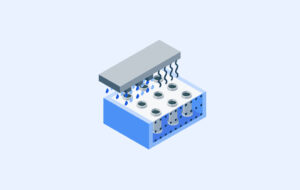
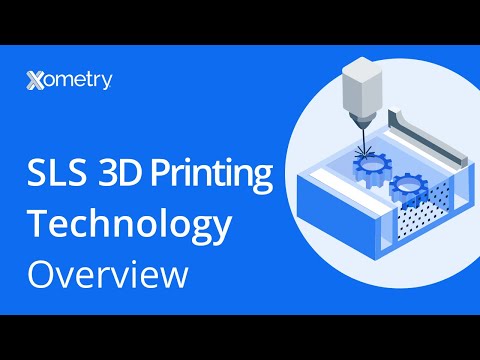
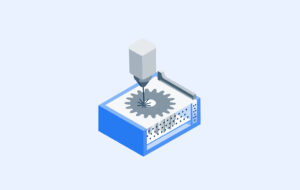
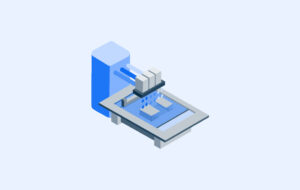
Selective Laser Sintering (SLS) is an additive manufacturing technology grouped under powder bed fusion. Unlike MJF, SLS uses a laser to selectively coalesce the powdered mixture to create part details layer by layer. This method uses thermoplastic polymers that are often granulated. A re-coating blade spreads this polymer over a heated build area. The polymer bin and build platform are pre-heated to just below the polymer’s melting temperature.
SLS parts come out with a slightly grainy, matte finish. Post-processing options are available, such as color dyeing and vapor smoothing, to give parts a more desired look and feel.
SLS is affordable to set up, yet it guarantees high-quality parts with great details.
Among the available 3D printing technology, SLS would be ideal for quickly producing parts lower than 1,000 units. Overall, SLS can produce complex shapes, reducing waste and enhancing production time.
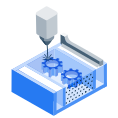 SLS
SLS
Selective Laser Sintering
Advantages
|
Disadvantages
|



 0
0
Comment(0)