

 Europe
  Türkiye
  United Kingdom
  Global









 Login with my Xometry account



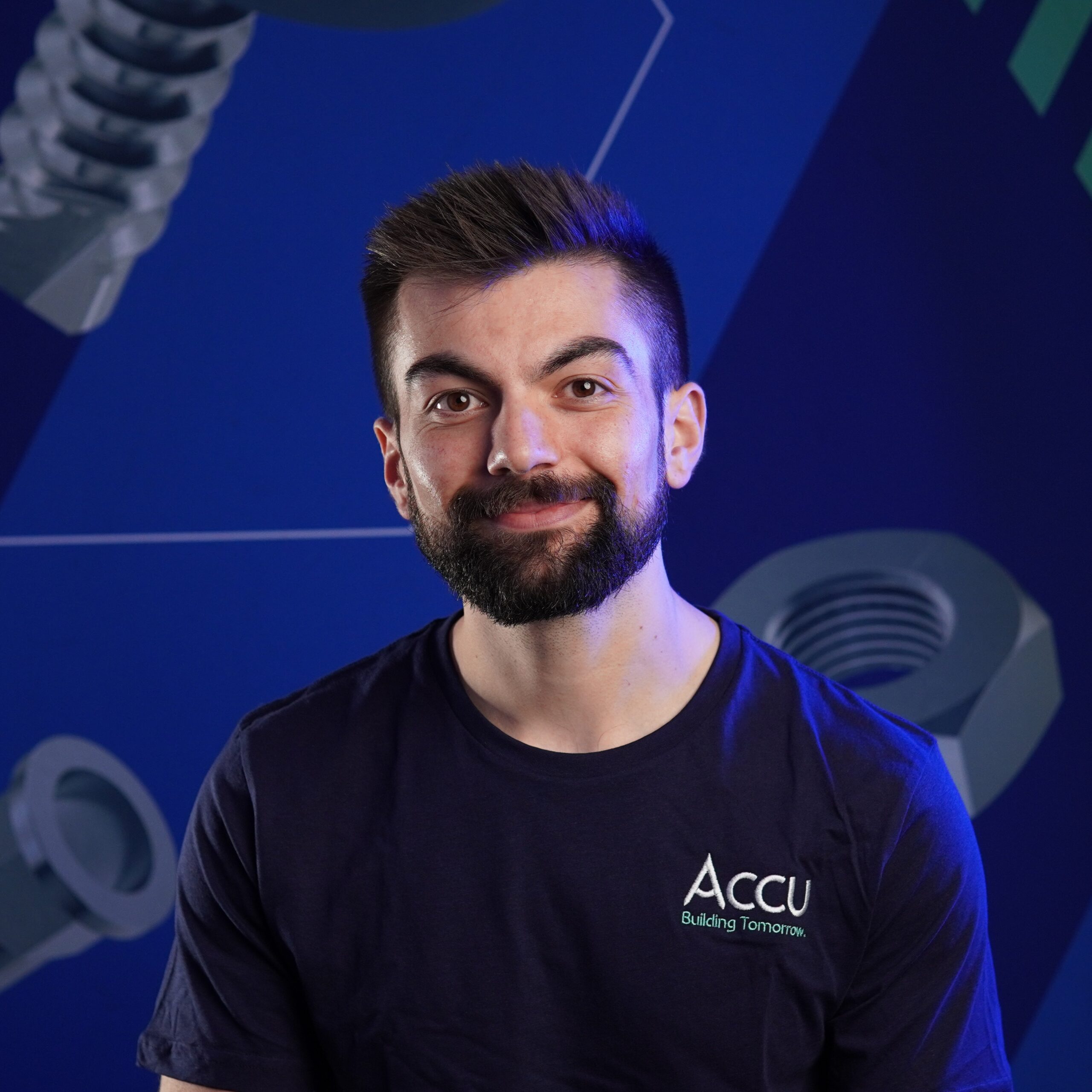
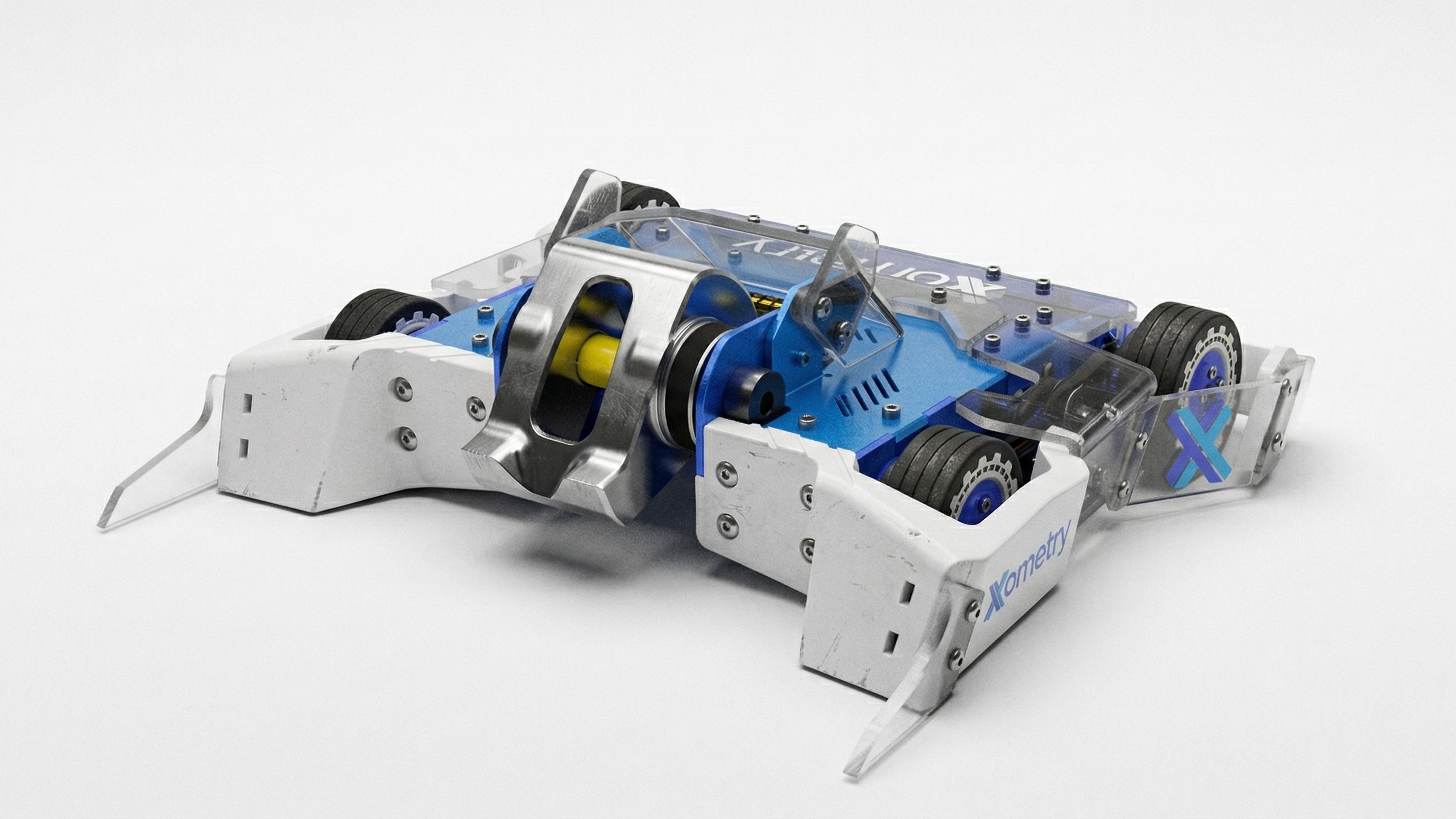
Hi, I’m Ellis Ware, Lead Engineer at Accu, and for much of 2026 I have been designing and building combat robots for sponsors of our B2B robotics tournament called FightFest, hosted at Smart Manufacturing Week in June 2026. In this article I’ll lift the covers on some of the engineering work behind one of the competition’s apex-predators… Xometry’s Torx!
Designing a Combat Robot
A fighting robot needs to inflict physical damage to its opponent as efficiently and quickly as possible. For that, you need a powerful drivetrain with good arena traction, a robust chassis and armour package, and of course, weaponry capable of mayhem. A lot of champions are built around a simple concept: any rotating mass behaves like a flywheel, storing kinetic energy as it spins. If you can instantly transfer that stored energy into your opponent without causing self-inflicted damage, you have a winning formula.
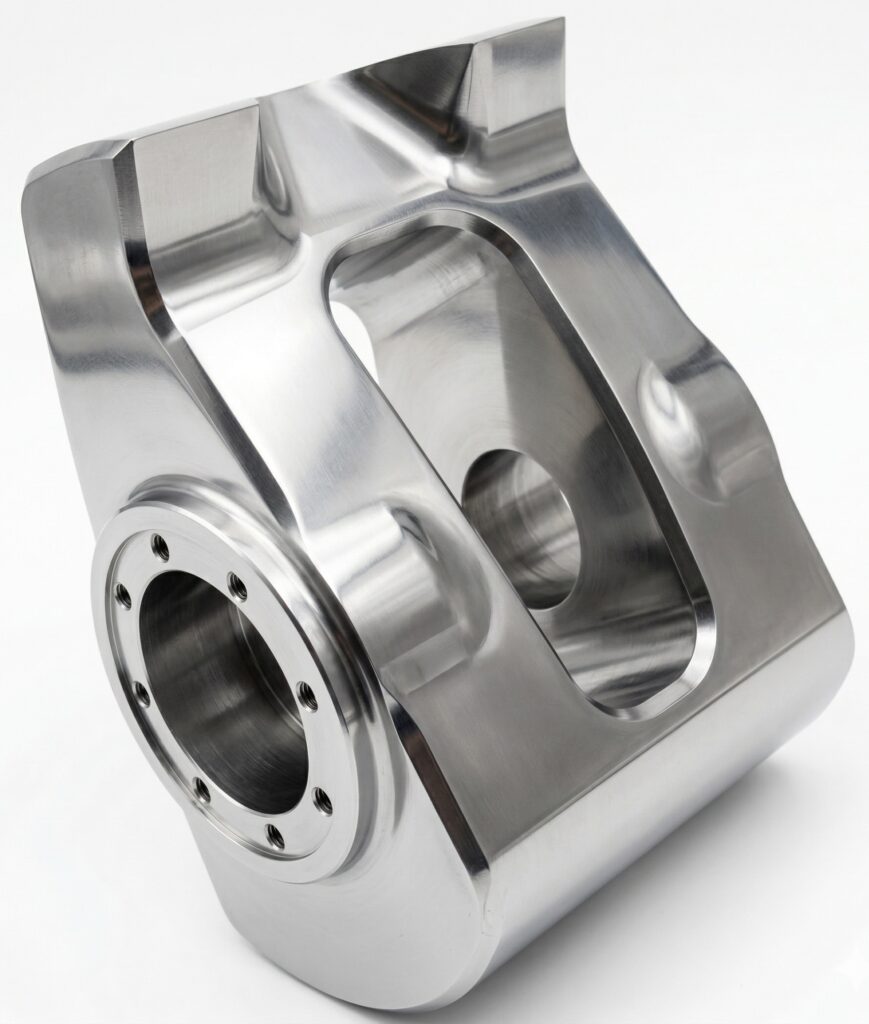
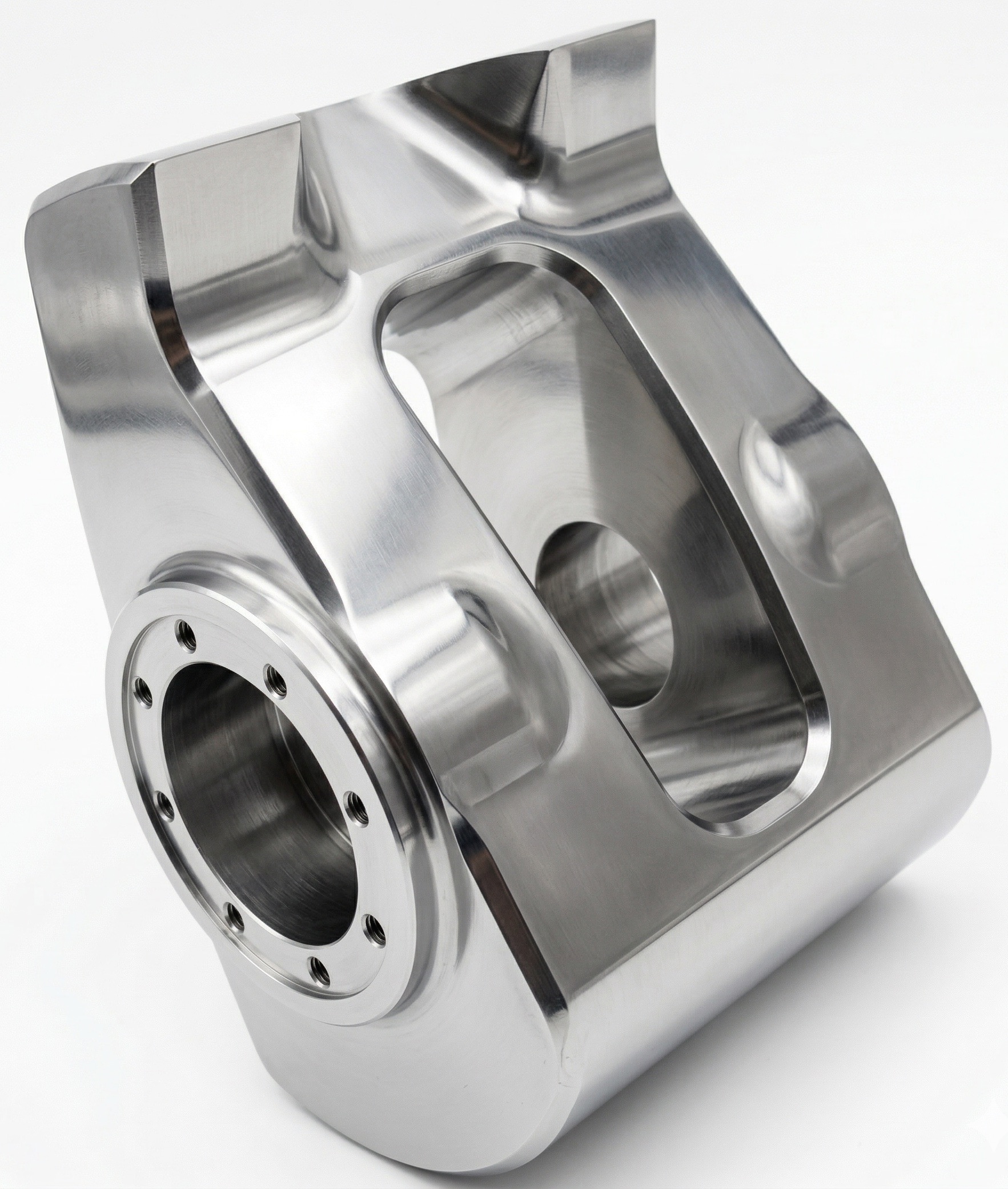
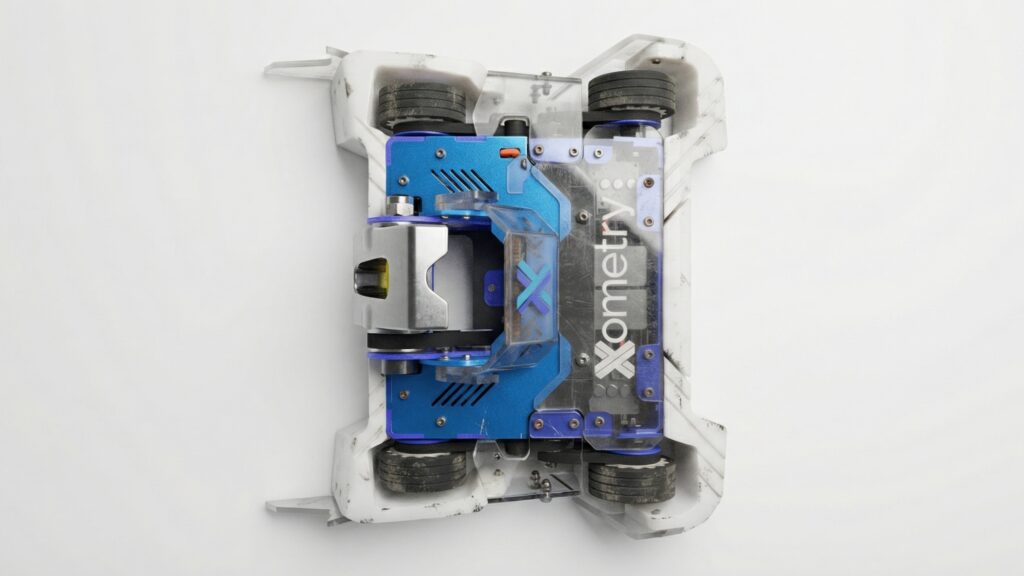
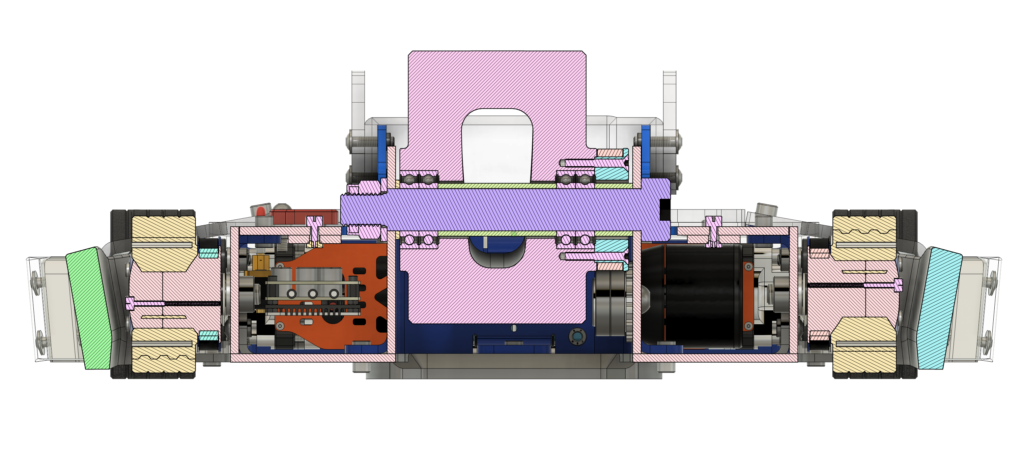
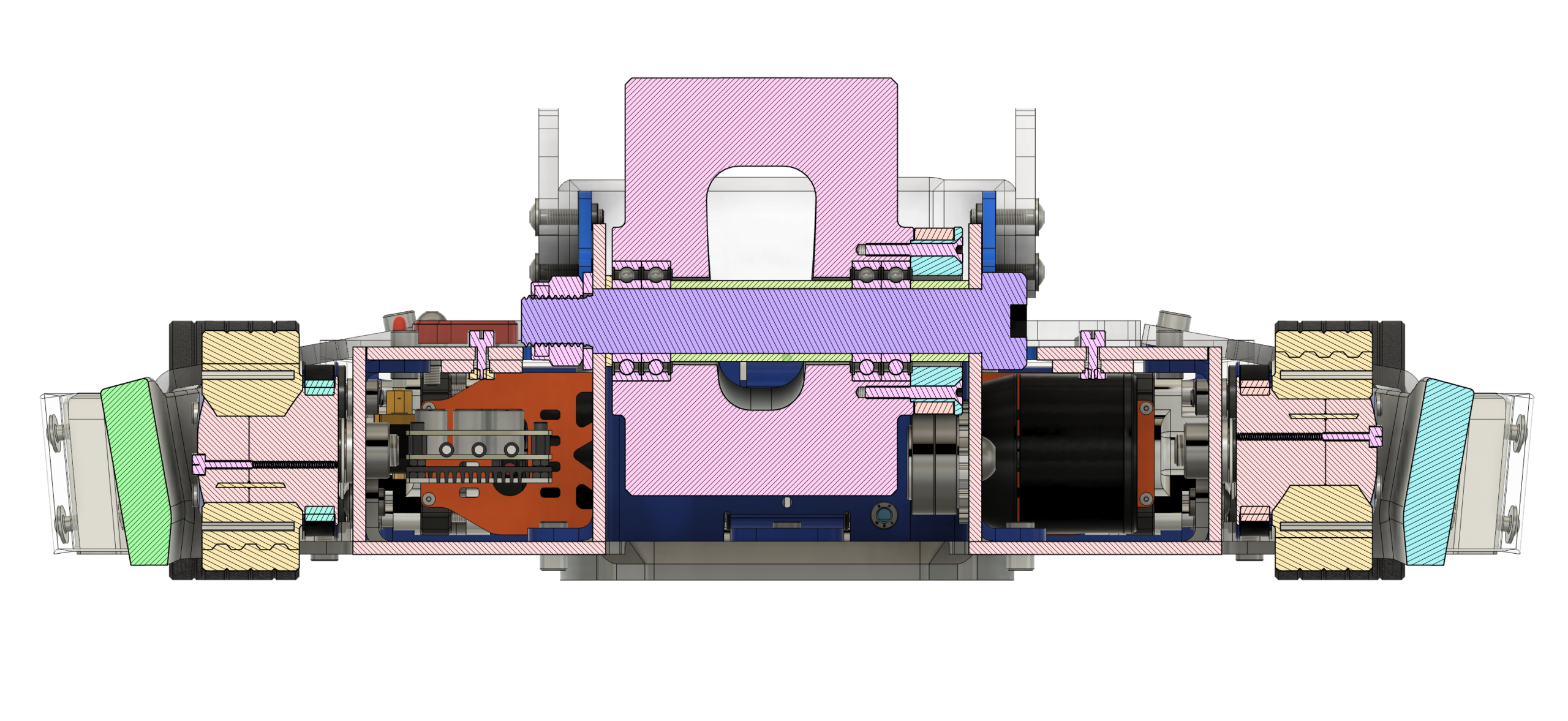
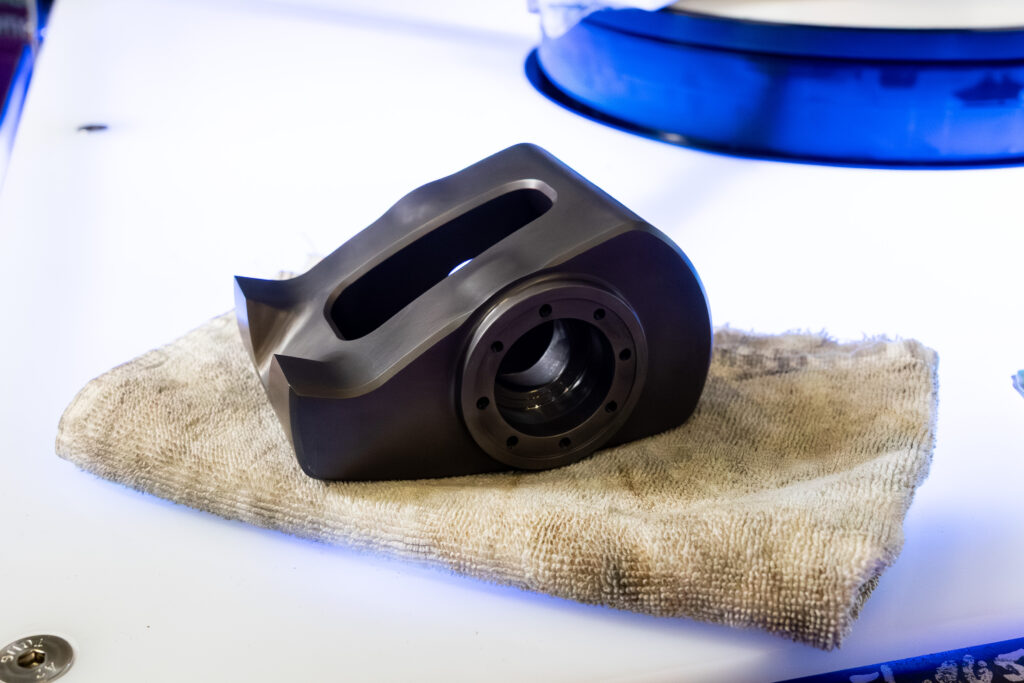
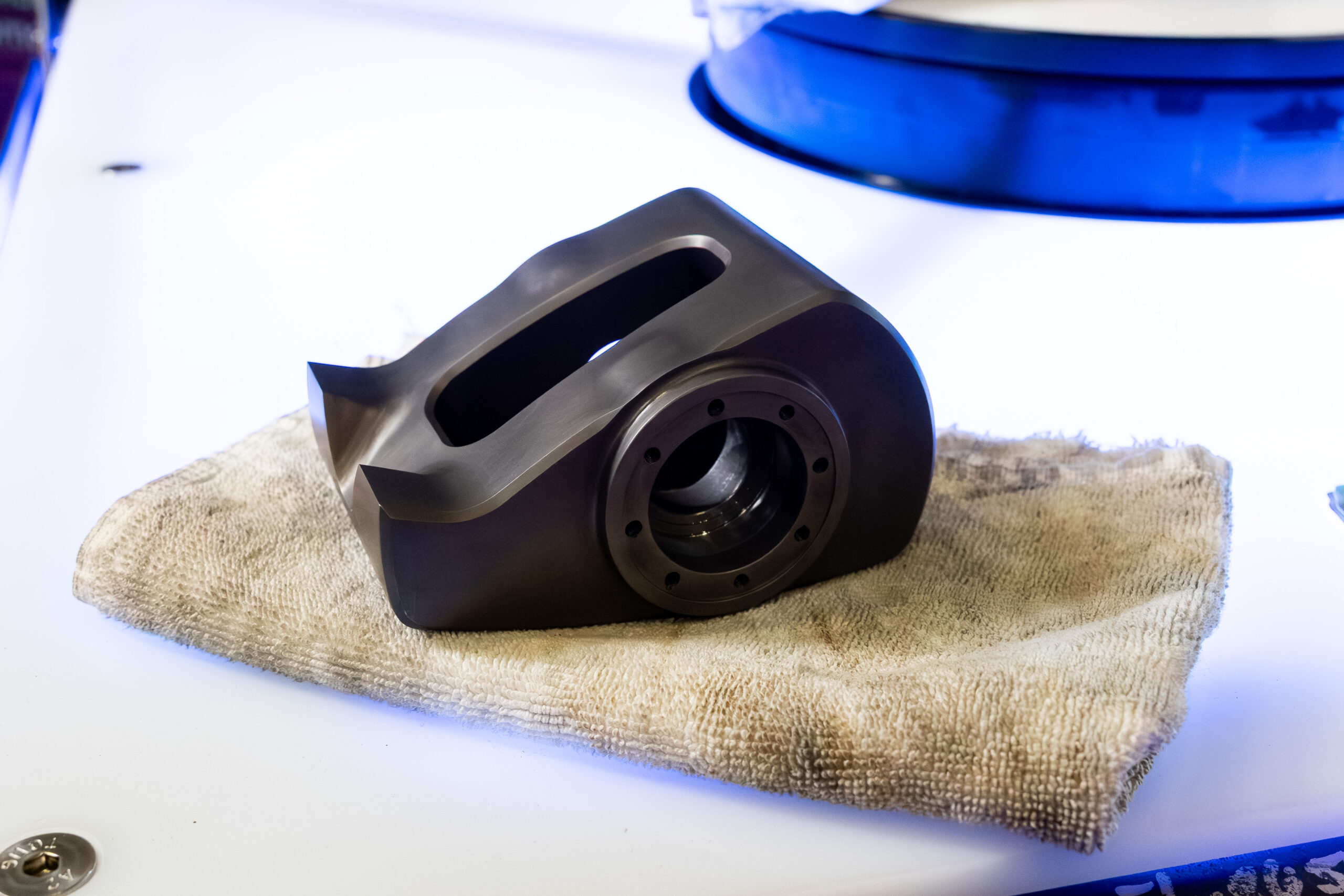
The first design meeting for Torx started with establishing how best to make use of Xometry’s CNC machining capabilities. Quite quickly I settled on the idea of making the robot’s spinning weapon a single billet-machined piece of bespoke hardened steel. The natural form-factor for a reliable but lethal result is a mid-size vertical spinner weapon, known as a “beater”, and so that’s where I focused my initial creative effort. I ultimately designed an asymmetric, dynamically balanced single-tooth blade, as the centrepiece of Xometry’s competitor. The weapon system, driven by a custom battle-hardened electric skateboard motor, takes the resulting beautiful chunk of steel to 6000+ RPM in a matter of seconds.
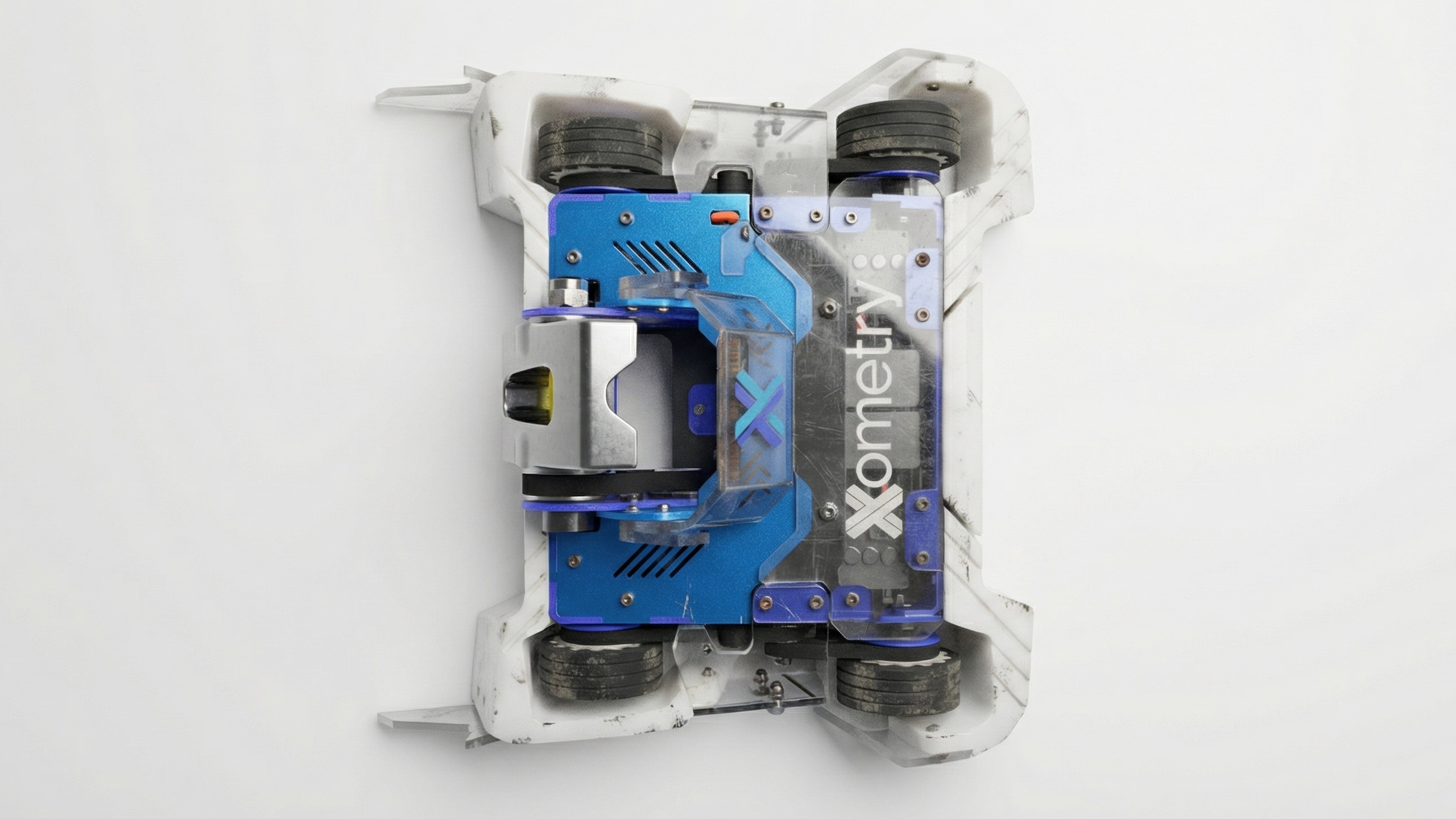
A weapon is only as good as its delivery system, so for Torx I opted to design a sleek and low-profile 4WD base with 360° armour. Fighting robots have a weight limit, and as these are featherweight (13.6 KG) robots, the 3+ KG in Torx’ weapon alone meant the chassis and armour had to combine a weight-saved lasercut frame with 3D printed and machined polycarbonate parts, to make weight. I had a bit of fun with this and gave the entire robot’s profile from above a subtle X-shape – a nod to Xometry.
Building Confidence
Every robot needs to be manufacturable, serviceable and have at least some thought for being cost-effective, because damage is inevitable. The fighting-robot-game of compromises is one of my favourites to play. After almost 15 years, experience has given me a feeling for where to focus more effort and go fully custom, and where I can simply use off-the-shelf parts. For example, whilst Torx has its beautiful machined weapon by Xometry, it runs on a set of 4 standard deep-groove bearings which are easy to replace. Whilst the wheels are fully custom, their shafts are standard M10 shoulderbolts from Accu, and so on. In the arena, anything is a potential target, and you may only have an hour or two for repairs between fights. You have to pick your battles – so to speak – early in the design phase.
Time is always a factor, so whilst much of the design behind Torx and its competitors was purely based on my own feeling for what will work, peer-review and testing are of course, critical. To try and mitigate drivetrain and manufacturing issues, I designed and built a test ‘bot (CAD-named “The Brick”) which put our intended motor and gearbox design, timing belt transmission, and 3D printed wheels to the test, months before FightFest. It also validated the sheet metal design approach for the chassis and the planned electrical systems. There’s a very direct lineage between The Brick and Torx.
That Stunning Weapon
The simplest spinning weapons are generally 2D blades, laser or waterjet-cut from a pre-hard steel, spun on some sort of custom bearing hub. This is cheap, effective, and proven. I knew that wouldn’t be enough to show off Xometry’s CNC and manufacturing prowess, so I jumped at the opportunity to design a smarter, tighter, and if you’re into your machining: much prettier part.

A primary concern was striking the balance between hardness and toughness. After some discussion with Xometry’s engineers, we settled on 1.7225 / 42CrMo4 steel, which was to be hardened to 45 HRC. It’s extremely easy to be too ambitious and over-harden a weapon like this, and I have seen many catastrophic brittle failures over the years, so I aimed a touch “soft” (it’s all relative!) knowing that a bit of tooth-deformation is the better damage to take.
Xometry nailed it, hitting ISO 286 grade 7 tolerances, and the resulting beater weapons are some of the nicest I have seen. Flawlessly balanced and a beautiful finish too. The real parts look exactly like the CAD model.
In The Arena
After lots of exciting deliveries, hours of 3D printing and soldering, a touch of paint and several raids of the Accu warehouse for components – all that stood between Torx and its first fight was a lot of assembly! I like to design robots that come together like very advanced flat-pack furniture, with slots and tabs for alignment, standardised bolts, and as many forward-planned solutions cut straight into the panels as possible. Fortunately, the machine came together well, and the weapon system was humming beautifully – ready to fight!
Torx entered the arena at Smart Manufacturing week on the 3rd and 4th of June 2026, bringing controlled chaos to the NEC Birmingham in a shower of sparks, epic crashes and some true edge-of-seat battles, ultimately winning the FightFest 2026 Championship for Xometry Europe. Whilst some of the engineering in combat robots is uniquely tuned, a lot transfers and shares core principles with the wider robotics and automation landscape. Torx and its FightFest competitors serve as vessels to demonstrate some of those parallels, and to display the engineering might behind companies like Xometry and Accu. Personally, I think that’s super cool!
 1
1
Share Your Engineering or Product Design Story

Share Your Story!
Share your engineering and product design journey and get a €300 reward! Showcase your innovative solutions and best practices with our community.
Share Your Engineering or Product Design Story
- We’re looking for stories about innovative mechanical engineering solutions, the design and development of mechanical components, or the creation of cutting-edge hardware products.
- Our team will assist you in preparing your story and translating it into several languages.
- Plus, you’ll receive a reward of 300 EUR to be redeemed with Xometry after your story is published*.
Related Topics
 Contact VED
 4
4
 Javier López Picazo
2
Javier López Picazo
2



Comment(0)