

 Europe
  Türkiye
  United Kingdom
  Global









 Login with my Xometry account
DFM check: Is this part a "nightmare" to machine?
J
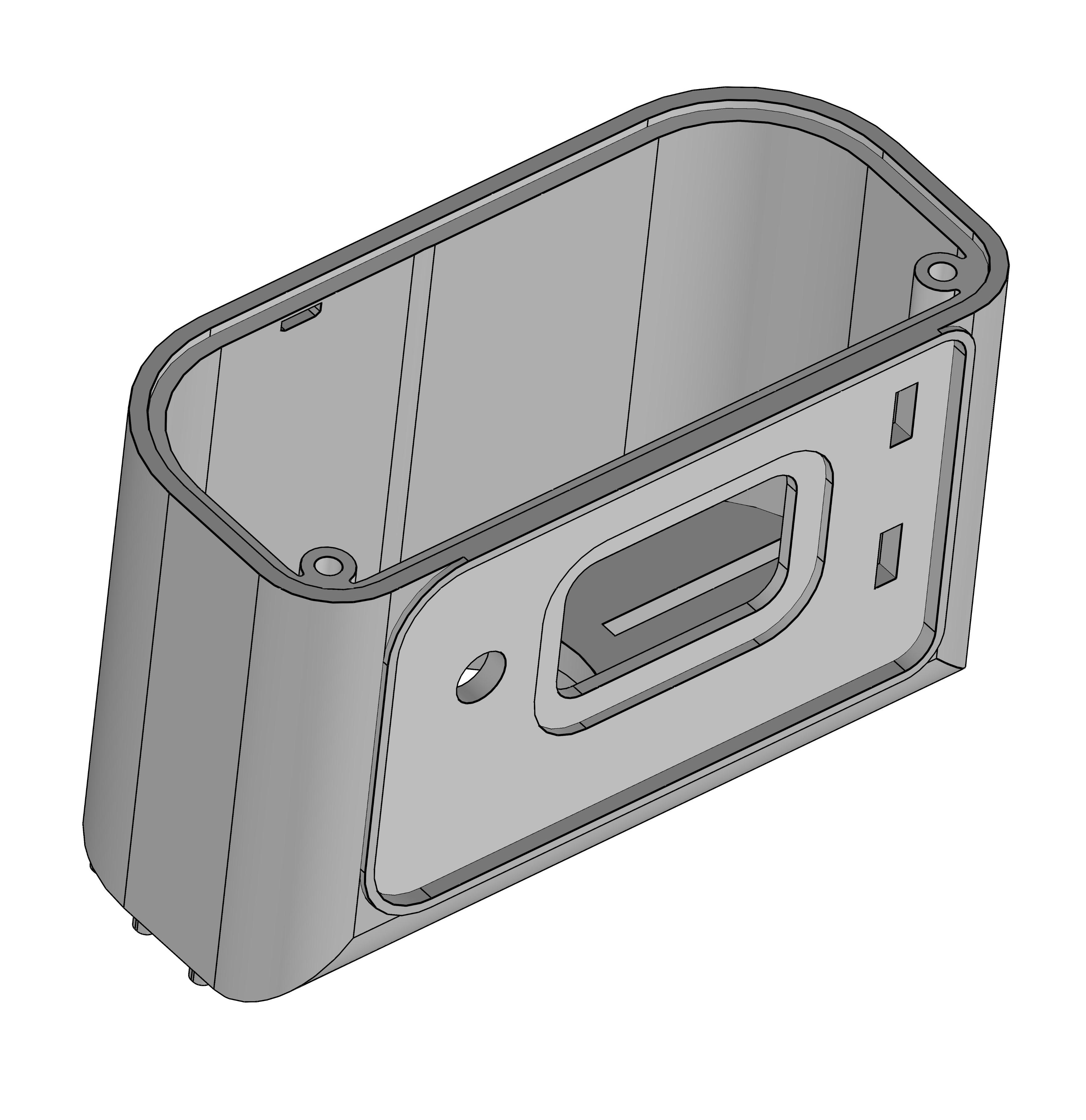
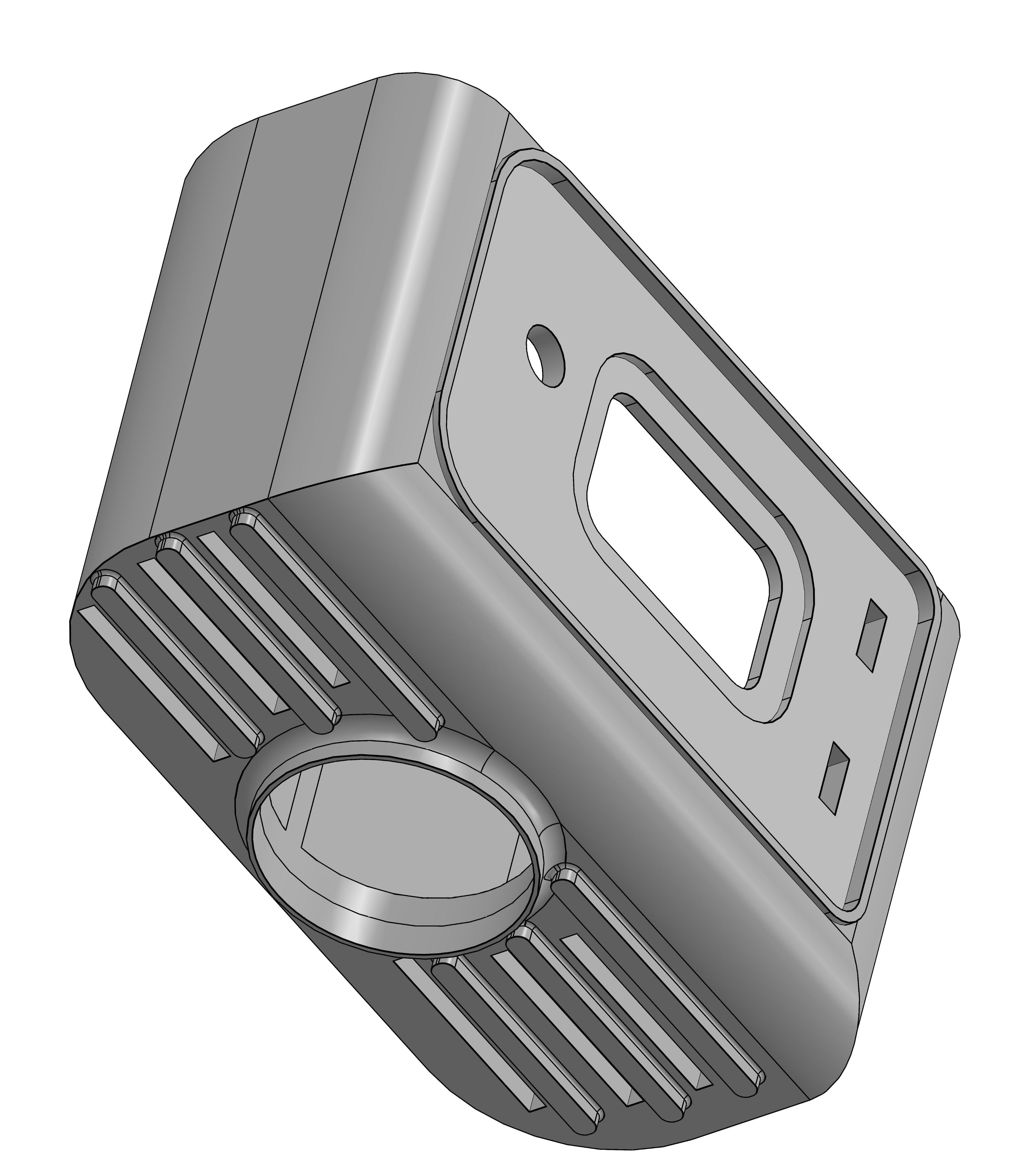
Hi! Designing a custom housing for a prototype. I’ve got features on all six sides, and I’m realizing this is going to need a ton of CNC setups. In your experience, is it better to design for manufacturing by splitting the part into two bolted components, or does the extra assembly time usually cancel out the savings from fewer CNC setups? What’s the “rule of thumb” for when a part becomes too complex for a single block?


Suggested Topics
Topic
Replies
Views
Activity
High resolution scan to fully transparent object?
Is there a possibillity to make my handmade objects into aquaria? I need fully transparent material UV resistant, no scratches very strong 1 meter in height, what kind of meterial would i need and... read more

3
329
Jul 08
1. Product Photography:
Angle: The part should appear as the protagonist of the story. Use low angles to confer prestige, or very close angles (macro) to showcase the quality of the craftsmanship, welds, and gear teeth. Lighting:... read more
0
397
Mar 28
Robust actuator-to-brake pedal joint for angled, high-force actuation
Hi, i am designing a push-rod connection between a linear actuator and a vehicle brake pedal for a durability test setup. The actuator can apply 750 N, and the pedal rotates through its travel,... read more
2
2.0k
Mar 16
Flatness GD&T for 6061 plates
For a mounting plate for a precision sensor (about 200 mm × 200 mm) I was going to call out a flatness of 0.05 mm, but my senior engineer says that’s overkill and will double the machining... read more

3
3.2k
Mar 14
ISO 2768-mK vs specific tolerances
Hey guys, I’m getting some pushback from our shop lead. I’ve been dimensioning every single feature on a new manifold block because I’m paranoid about fitment, but he says the drawing is "unreadable" and... read more
2
3.4k
Mar 14